Johann Tomforde on the Beginnings and Development of the smart Brand
jpg
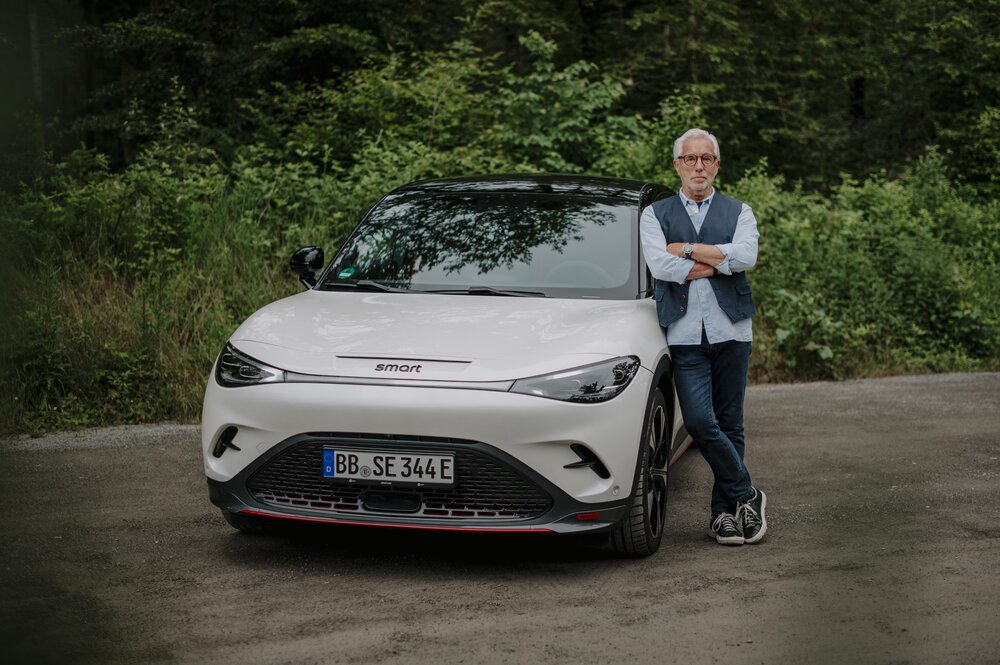
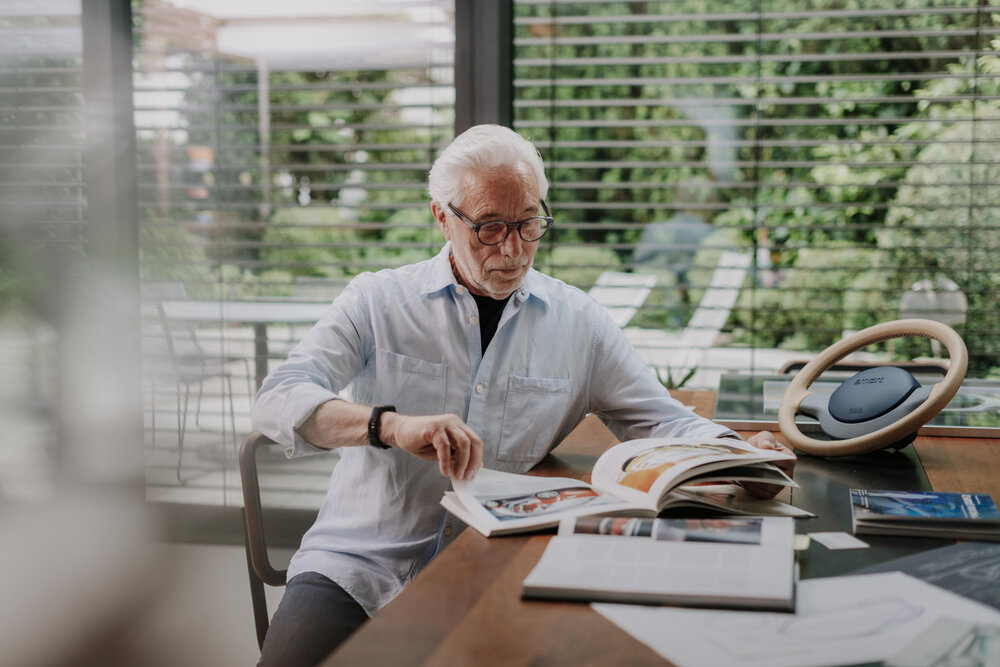
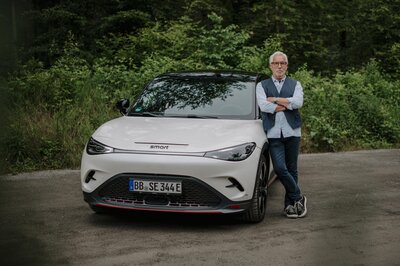
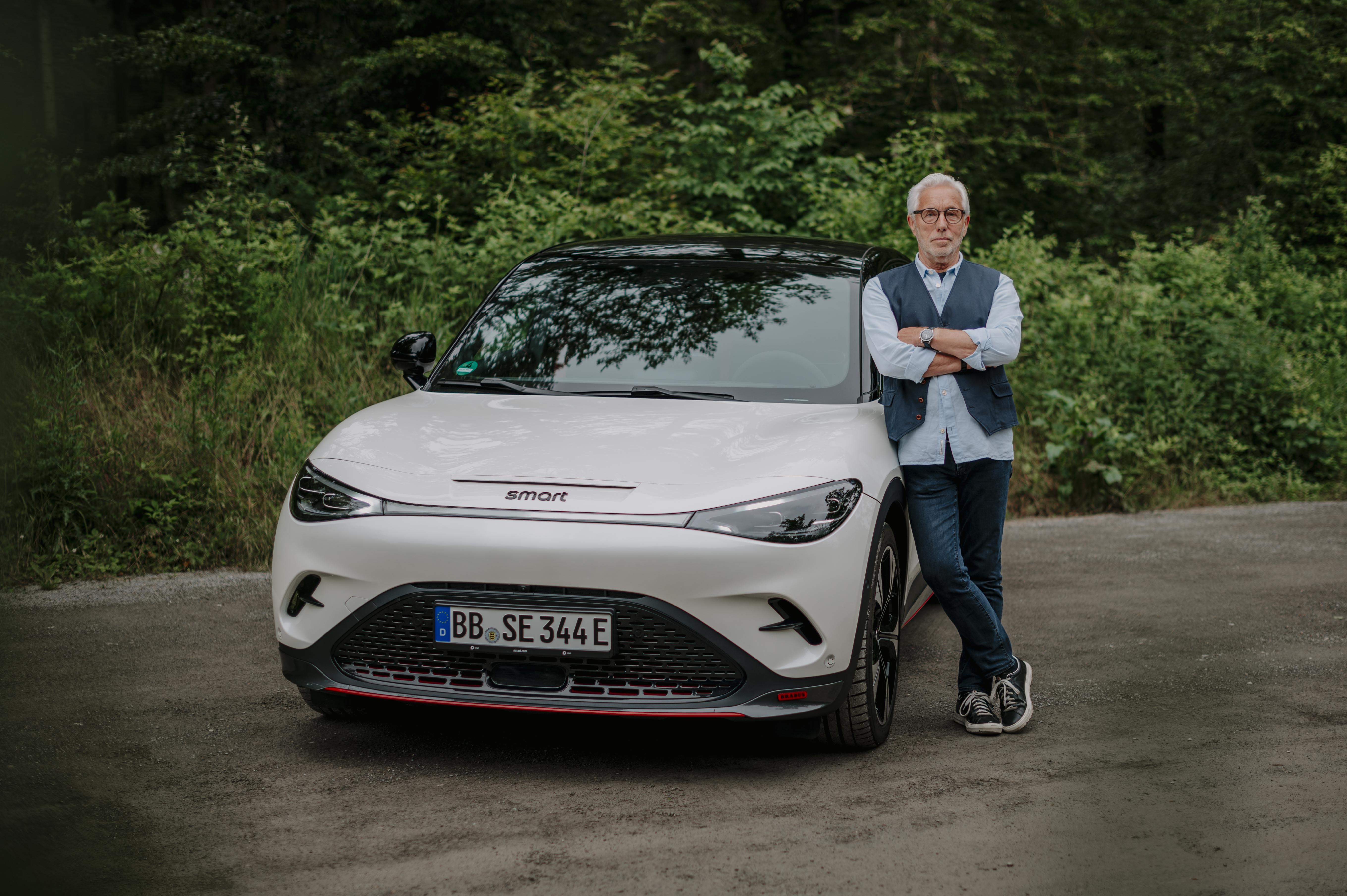
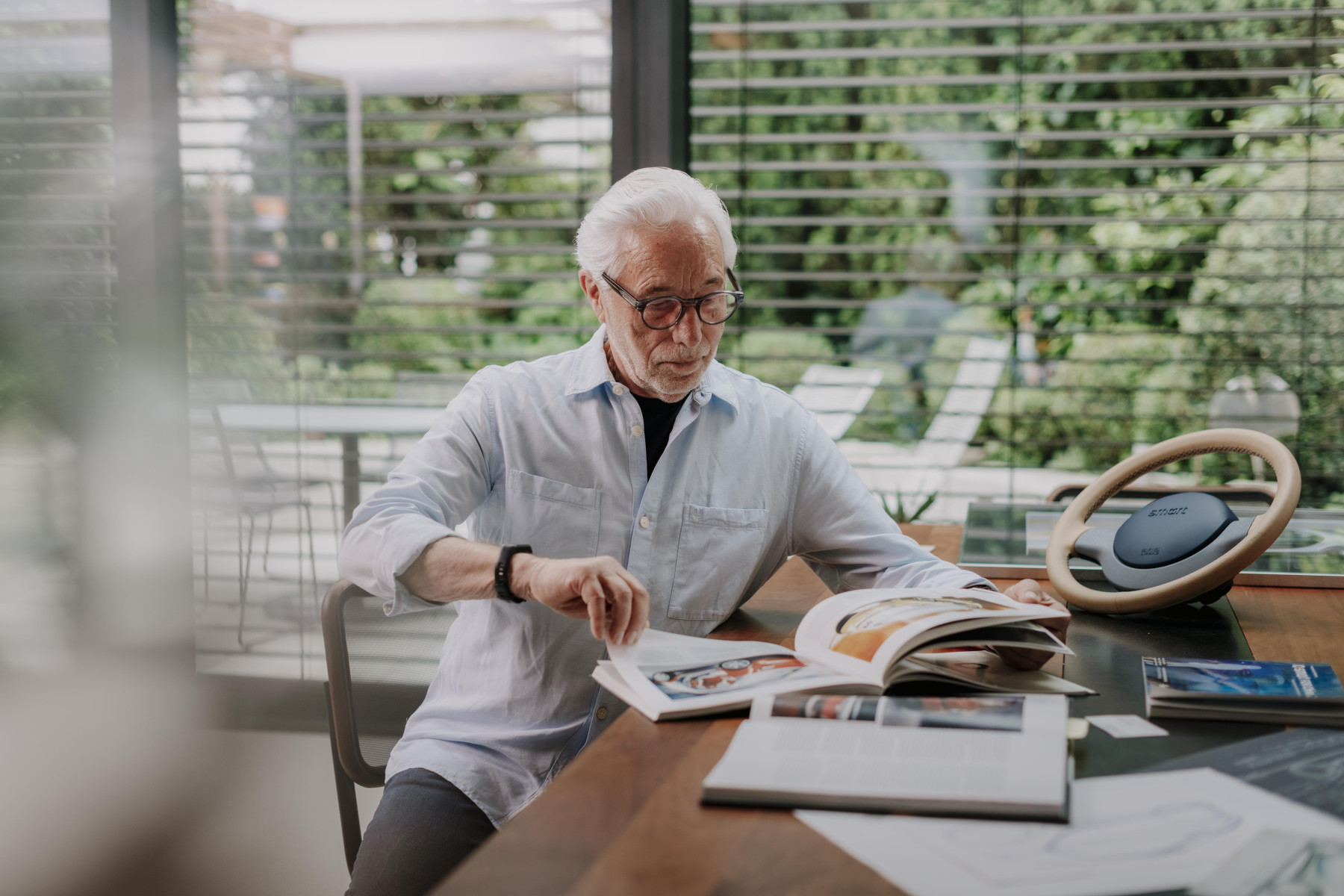
Johann Tomforde – one of the most influential people for the development and realization of the core values of the smart brand – looks back on the beginnings of smart and its development. For more than 25 years, the automotive company has been demonstrating with its vehicles and service offerings how future-driven mobility solutions can be implemented in the city and beyond, impressing with its iconic design. For the professor and graduate engineer Johann Tomforde, his time as a lecturer was particularly influential in the creation of the brand. After all, many ideas and inspirations arose from his collaboration with students. Openness to new ideas already played a role for him back then. For him, the new all-electric vehicle generation of the smart #1, smart #3 and the upcoming smart #5 shows that you don't have to compromise on comfort, safety and driving pleasure for sustainable electric mobility.
jpg
How do you explain to a child that you invented “the car of the future”? How do you explain the idea of smart?
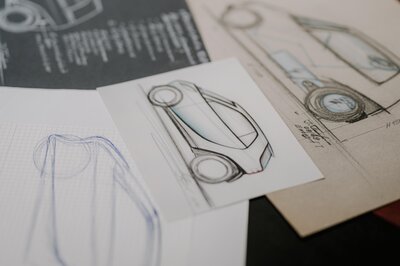
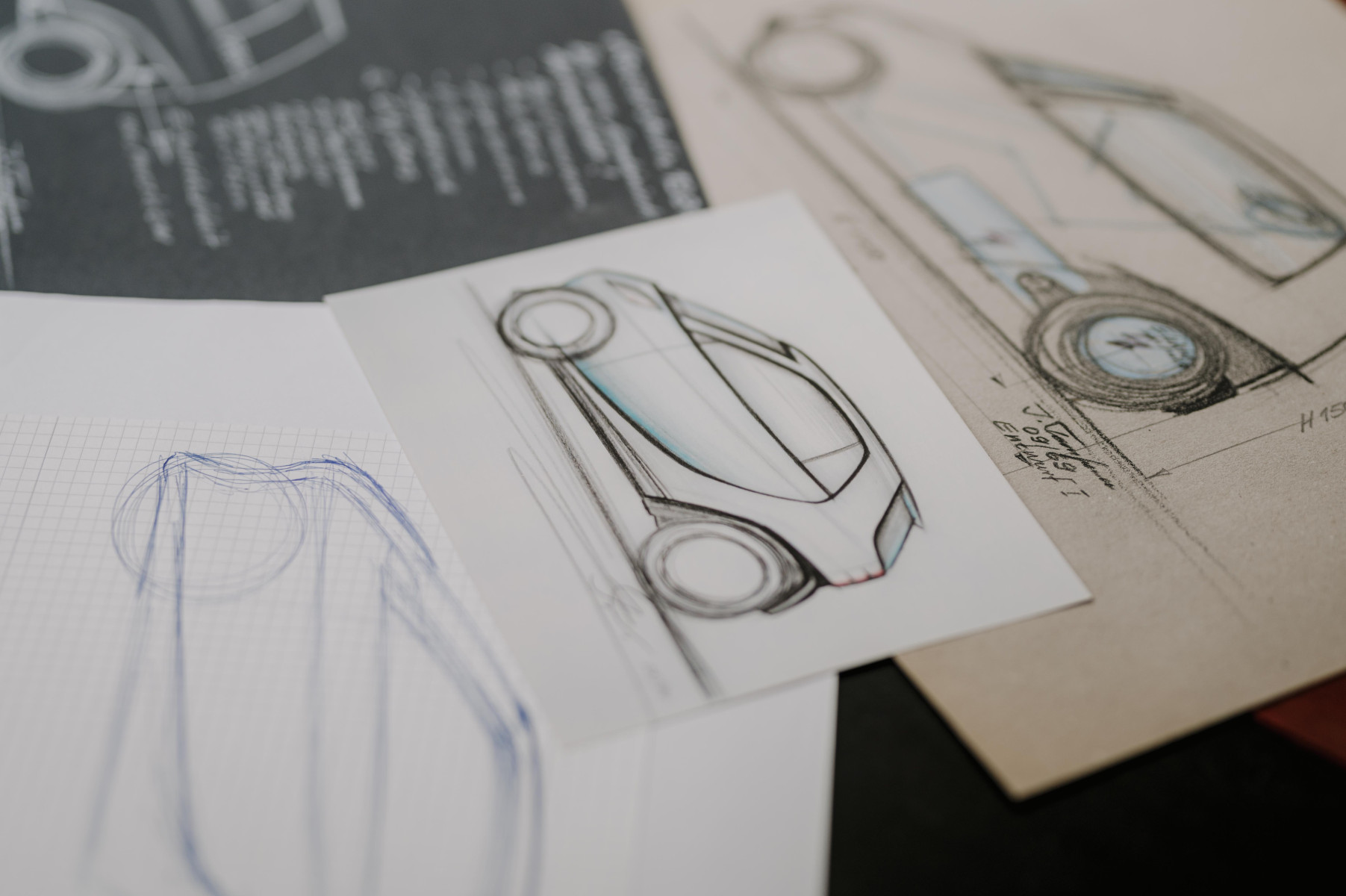
I ask children what they notice when they look around cities. In the kindergarten I observed something particularly interesting while watching the children there drawing cars. Among the five to six-year-olds, there were familiar shapes and also repeatedly those of the smart fortwo. I asked the children: “What's so special about it?” They often answered that it was a small and pretty car for the city, which they simply liked. I didn't have to explain the idea of smart to my own children and grandchildren. I come from a very car-loving family, and my wife also worked at Mercedes-Benz for a long time. Automobility has always been a popular topic of conversation in our family.
What role does Pforzheim play in the idea and development history of smart and for you personally?
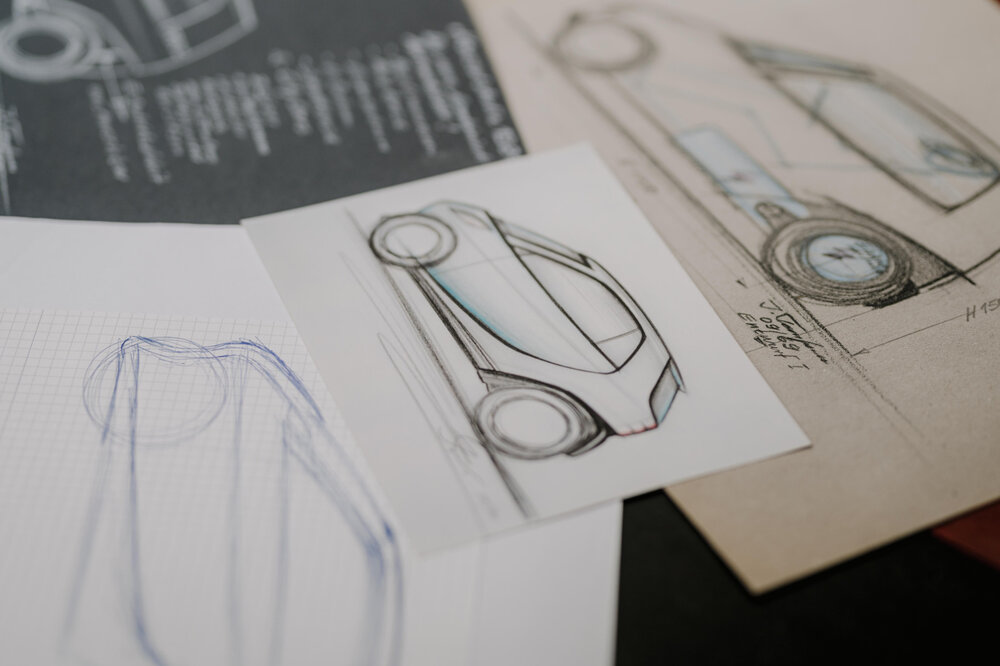
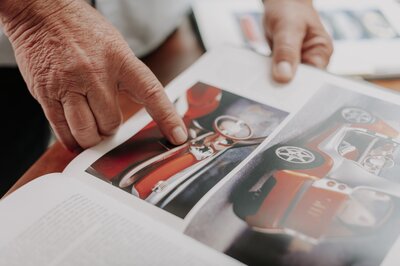
I taught Transportation Design and Industrial Design in Pforzheim for a long time, parallel to my work at Mercedes-Benz and smart. This role enabled me to shape the future of urban mobility in various projects together with the students – open-minded, so to speak. We did something that was unusual at the time: together with students from other courses such as Marketing, Communication, and Fashion Design, we carried out studies that went beyond the classic topic of mobility with normal cars. I'm thinking of the “Summertime” project from 1997, in which we designed electric “Fun Cars” based on the smart, which had already been announced at the time and were intended for use on vacation islands. We later implemented some of the ideas in the smart Crossblade model.
The collaboration with the other study programs brought completely new impulses to our work. This crossover thinking inspired me a lot. I took these new ideas to lectures every Wednesday and then brought them back to my office in Renningen to work on them further. I think it's important to be open to new ideas – have an “open mind” – alongside your actual job and to be inspired by young people. My many trips around the world have also given me numerous impressions that have had a strong influence on my work at smart.
jpg
You had the idea for the City Coupé back in 1969. How were you able to stick with it for 30 years?
Just as you can miss out on certain trends and hit the wrong time, I was often far too early with my ideas. In 1969, my grandfather gave me some important advice: “If you're convinced of something, see it through, have the necessary perseverance, and don't give up! And tell everyone, even if they don't want to hear about it!”
I took this advice to heart when I moved from Hamburg to the Stuttgart area. That's why I spoke about new forms of mobility on many occasions. Of course, I was also often dismissed with: “Oh, you again with your city car.” In situations like this, you can't bury your head in the sand. You have to believe in something, continuously develop and improve the idea and adapt it to the spirit of the times. Then at some point the time will come when you can implement it.
For us with the Mercedes City Car (MCC) project, this special moment came in the summer of 1992 in our studio in California, when we surprised the Mercedes-Benz Board of Management with a first prototype, the electric “Eco Sprinter,” which we had developed there in parallel with our other projects.
With some ideas, smart was also well ahead of its time – such as the Mobility Box, which is now an integral part of modern cars in the form of an infotainment system. How do you now look back on these innovations and your impulses?
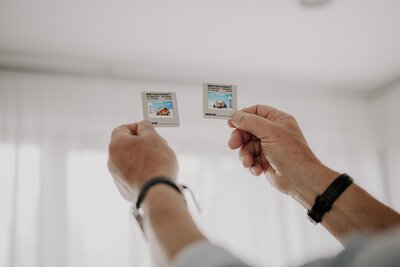
In 1995, we thought about how a vehicle could be designed not only as a personal vehicle, but also as a rental or fleet vehicle. We therefore considered how we could improve networking with other means of transportation. With some very creative minds from our smart team and external institutes, we came up with the idea of combining everything that existed at the time in one compact device: a cell phone, an MP3 player, and a navigation device that we called the Mobility Box. We docked it onto the cockpit of the smart. You could also take the box, which was about the size of a postcard or a smartphone, with you wherever you went. It wasn't until about ten years later that I saw the first multifunctional cell phones in California. Nowadays, the personal smartphone takes over the functions that our Mobility Box had integrated back then, and of course much more.
jpg
How do you perceive today's smart brand and its products? Is smart as you and the team originally conceived it, just in a modern form? Where do you see similarities between smart today and the initial idea back then?
When the smart #1 was announced, I initially thought, “What are they doing?” But then I looked into it in detail and talked to various people about it. The smart philosophy, as we once created it, is not limited to two-seaters and urban mobility, but to mobility that is fun, sustainable, somehow original, and has an iconic design.
smart is still pursuing these principles today and is on the right track, as shown by the smart Concept #5 presented at the Beijing Auto Show in April, 2024, which I find very interesting. It shows another facet of how smart should be interpreted in the future: not just narrow track and two-seaters. Back in my day, in 1997, we developed a global strategy for smart and considered how the brand and products could develop further in various segments – not as a late follower imitating something that was already a trend, but as a trendsetter. Even back then, we showed some products that even went in the direction of today's portfolio.
My wish is: smart must always remain something special. smart must be different from these run-of-the-mill cars, of which there are unfortunately far too many. I want to see character, an iconic design and, above all, sophistication that never ceases to surprise.
How do you see the current smart vehicles in terms of user experience design? What is your impression of the smart #1s and smart #3s that are already on our roads?
I have to smile a little because my brother-in-law recently contacted me and said that he had just decided against a new Mercedes-Benz in favor of a smart #1. He simply finds the vehicle much more original – especially the interior. He feels comfortable in it and it's invigorating, fun, and easy to operate. So the successful interior inspires people.
The numbering of the current smart vehicles also leaves room to go up or down. I'm thinking of a new, very compact smart. There are currently over two million smart fortwo on the road. That's a very long lifespan, even if I look at my own first smart, which is still running very well after 27 years. I think it would be a great opportunity to re-enter this segment. But this concept must of course be enriched with a new zeitgeist and new ideas. It should be an evolutionary development, but one that also offers a special kick to get customers excited about the vehicle again. I still have lots of good ideas for this.
jpg
What are the typical design features of the smart #3 for you? What makes the smart #3 so unique?
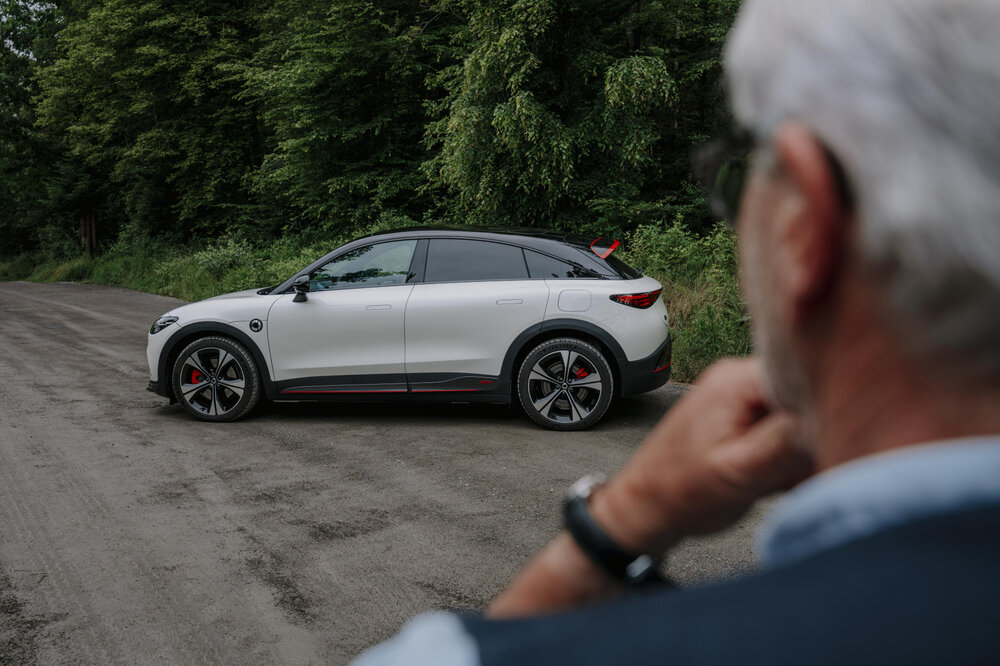
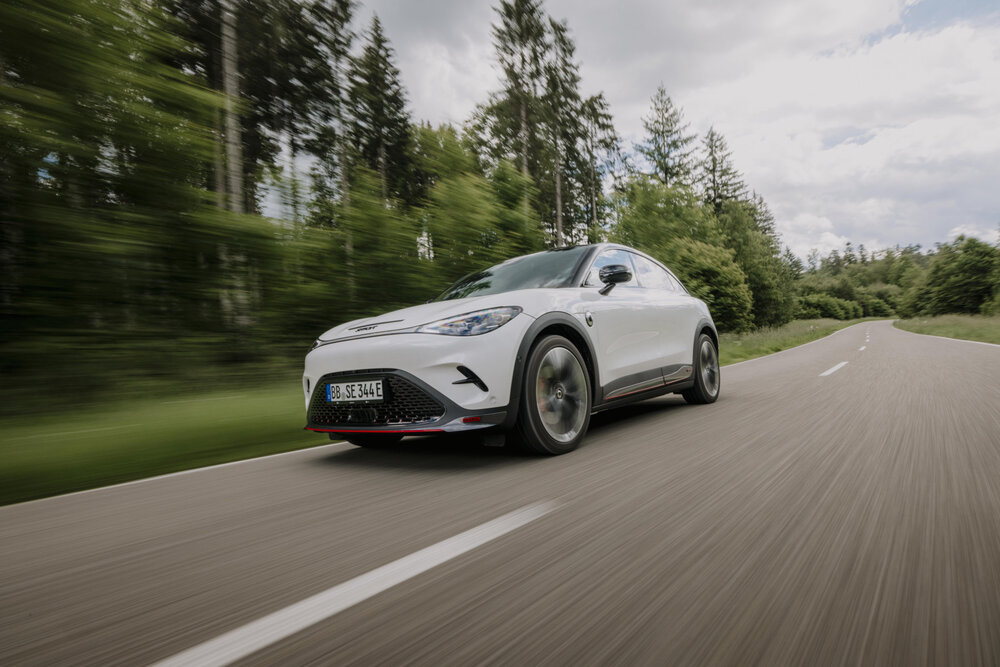
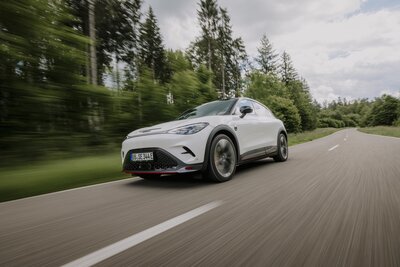
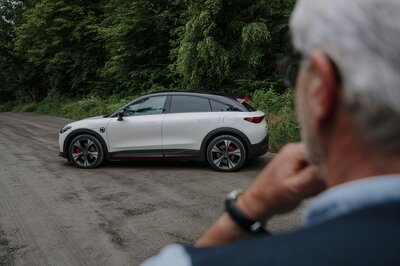
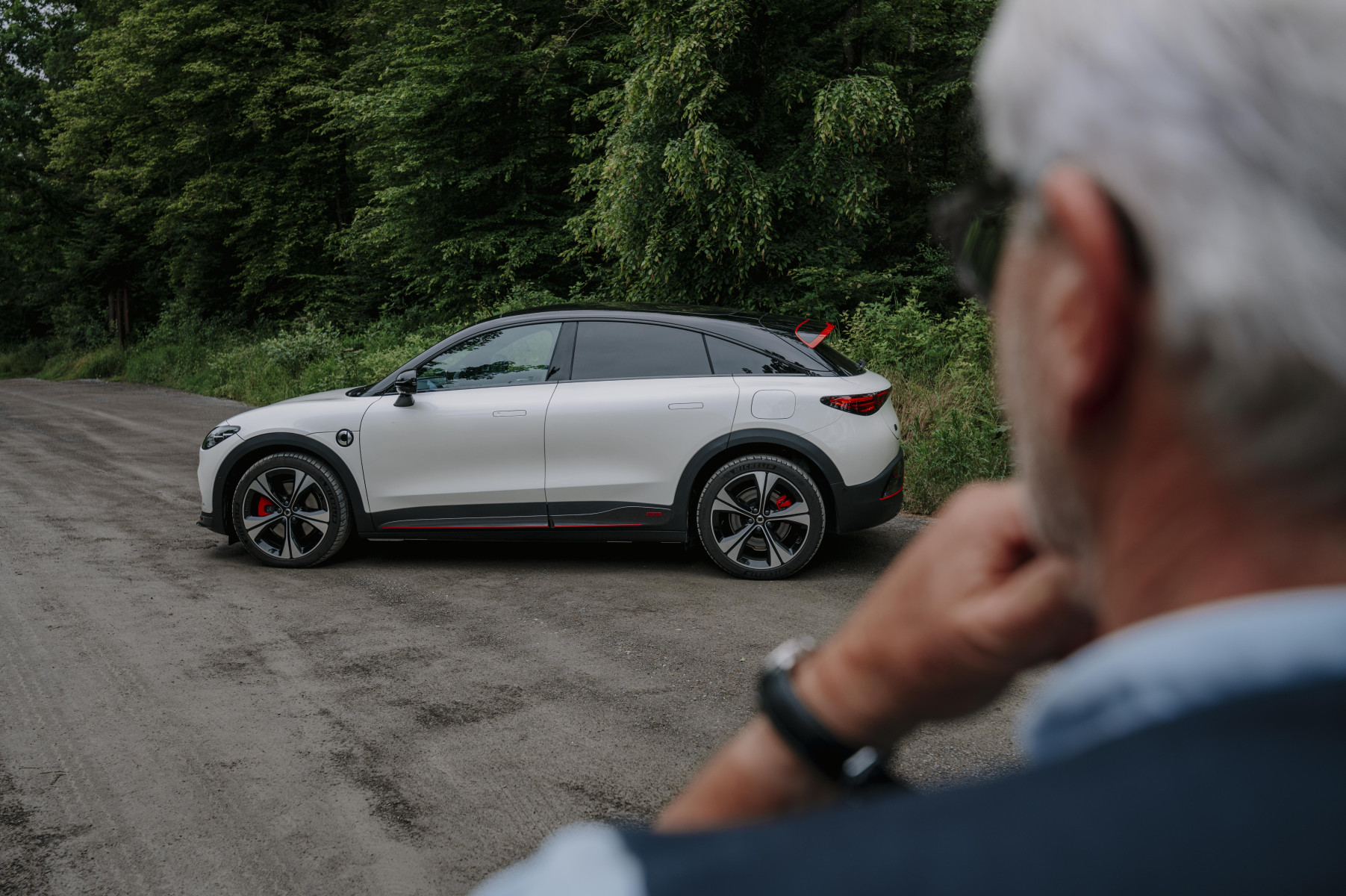
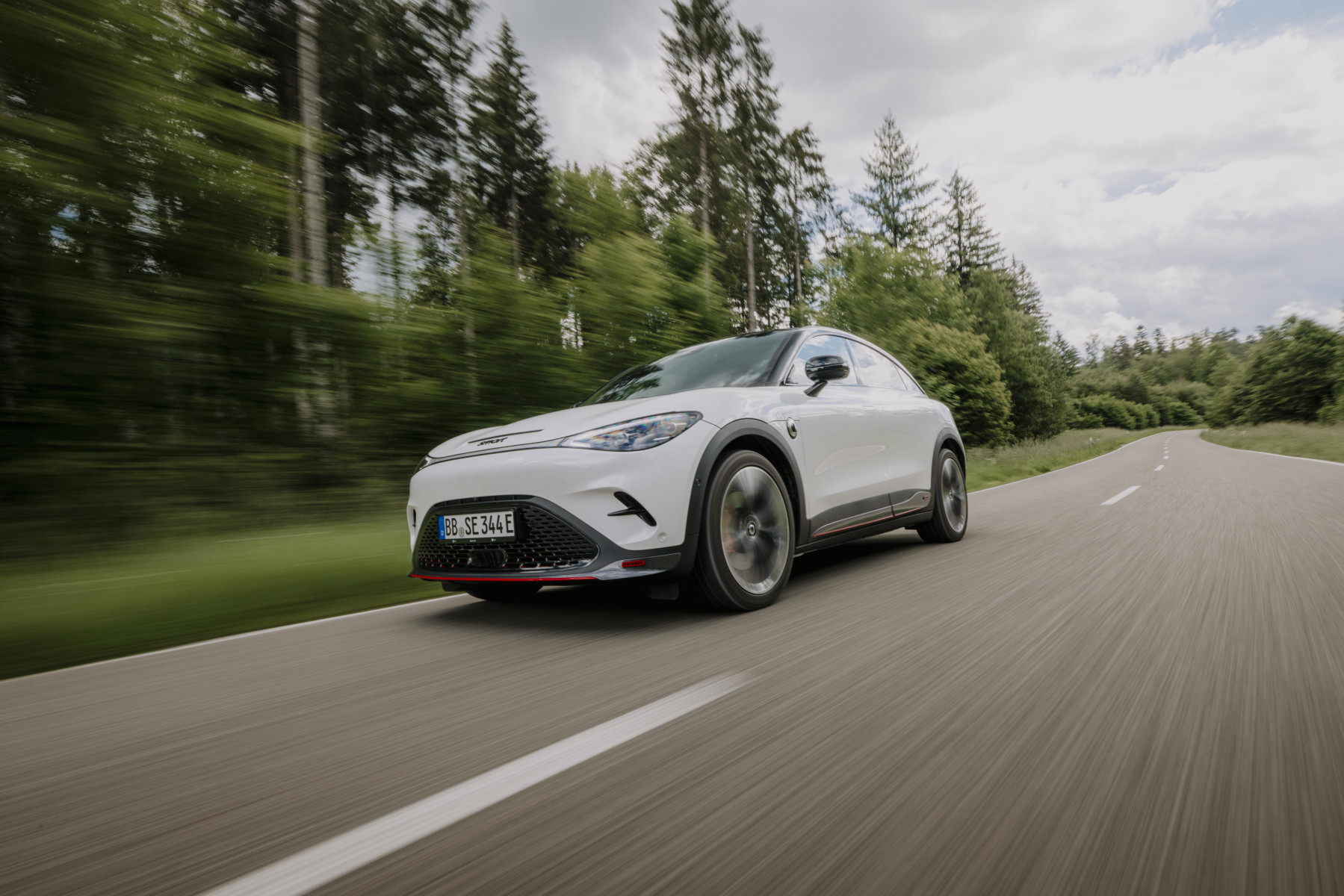
The smart #3 has a very clean design that is coherent from every perspective. The beautiful roofline gives the vehicle both dynamism and a protective effect. These independent design features are classic for smart, as are the ratio of overall length to wheelbase and the short overhangs. These features ensure good road holding and a strong appearance of the vehicle. We have seen this ratio in all smart models and the smart #3 has also achieved this ratio perfectly, giving it a special proportion that is rarely seen so clearly in other vehicles.
In advertising photography, the front and side views are often emphasized. However, the rear view from an oblique angle is much more critical, especially when following a car or standing at traffic lights. The smart #3 has a well-balanced rear end, with the right proportions and form lines from every perspective. It is simply a pleasure to drive behind this vehicle.
Watch the video here:
Origins and outlook of smart: A talk and test drive with Prof. Johann Tomforde