

Recharged and Redefined: The Story of smart
Since its market launch in 1998, smart has consistently revolutionized urban mobility, setting trends with distinctive designs and state-of-the art technology.
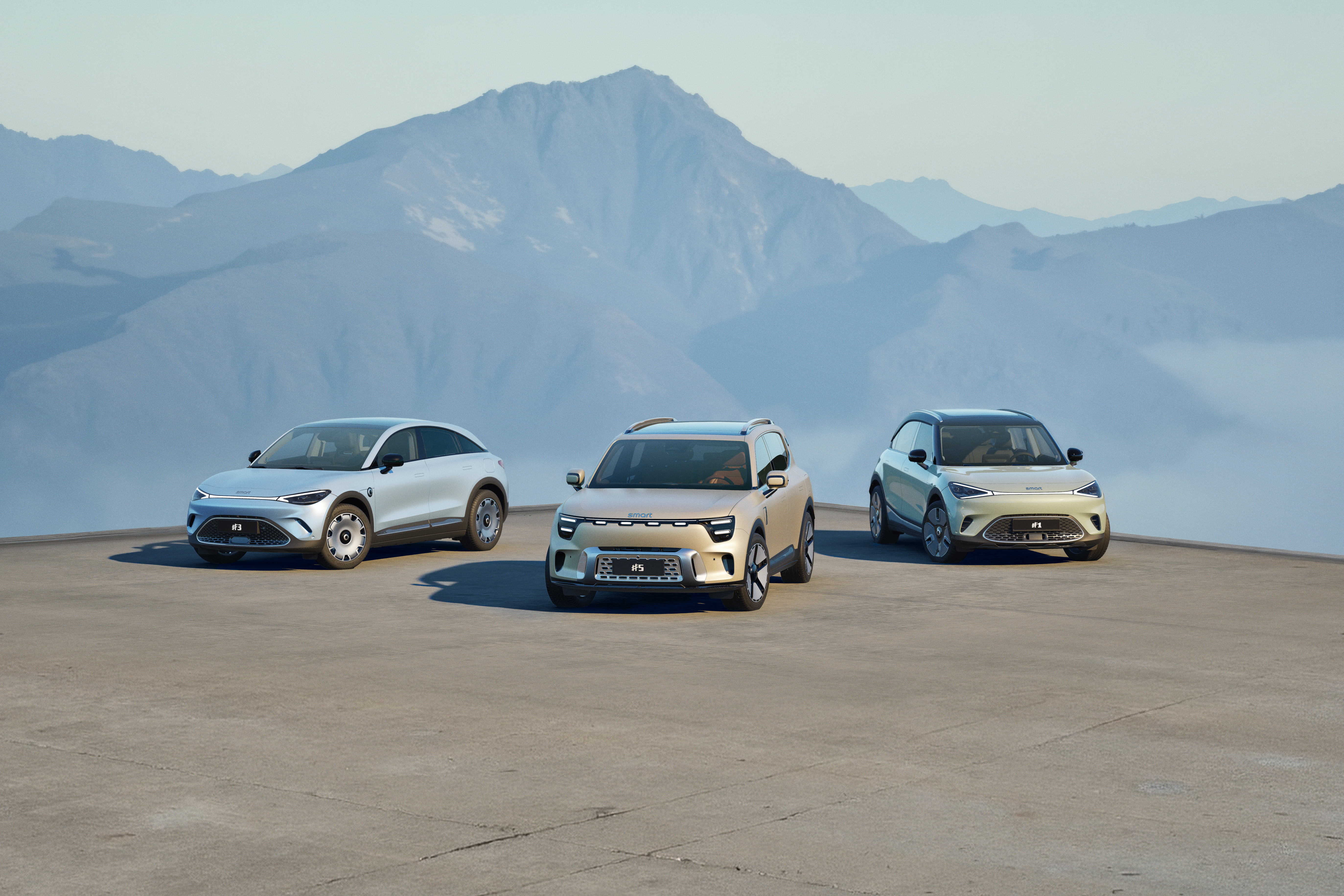
In 2019, the brand marked a pivotal moment by becoming the first automotive company to transition fully from internal-combustion engines to an all-electric product line-up. This bold step coincided with the founding of the joint venture between Mercedes-Benz AG and Geely Automobile Co., Ltd., and resulted in the reinvention of the smart brand with a new business model and a new product portfolio while keeping the same focus on innovation, customer dedication and value-driven attitude. Today, smart’s new-generation EV portfolio includes the smart #1, smart #3 and smart #5, while the brand’s international footprint has expanded to 40 markets and regions worldwide, including 17 European markets.
No more compromise: smart takes you out of the city and into the world
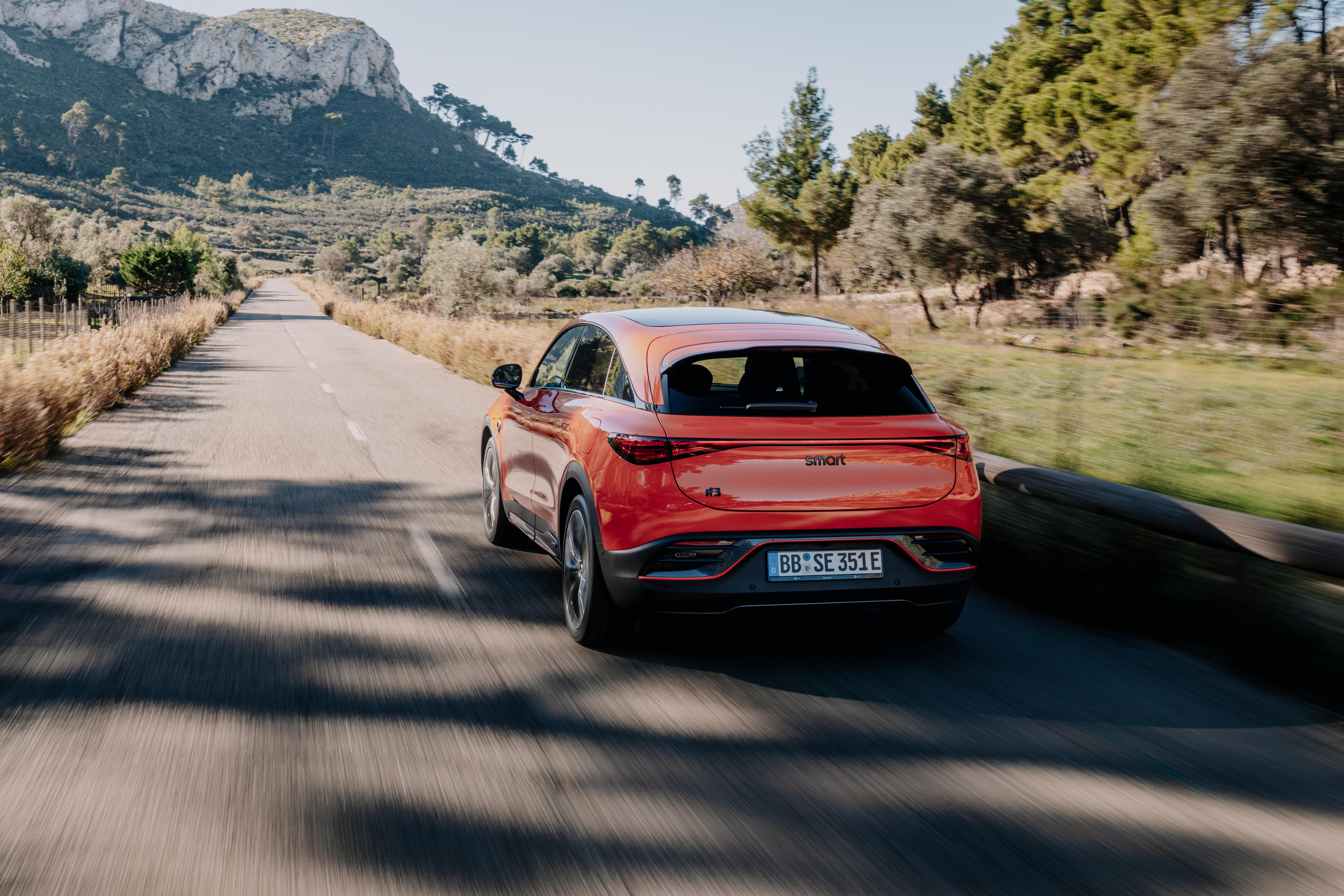
The launch of the all-electric smart #1 in 2022 underlined the brand’s new direction. As the first model of the renewed smart generation, it combines compact dimensions with a more spacious, premium SUV concept and brought the brand into a new market segment. The smart #3 further expanded the portfolio as the brand’s first SUV coupé, while the smart #5 opened another chapter as smart’s first mid-size family SUV in Europe. Together, these models not only show that smart can no longer be reduced to a single format or dimension: today, smart stands for a broader understanding of intelligent electric mobility – one that combines usability, design, technology and emotion.
smart has grown bigger, more mature and more diverse, yet the brand has retained its original DNA: finding the right solutions for urban mobility in an ever-changing market environment. That continuity explains why the brand remains culturally resonant even as it evolves. smart’s ability to adapt to changing customer needs while staying true to its core values has defined the brand from the very beginning.
From a revolutionary idea to a cultural sensation
The smart story did not begin with a single moment or idea. It was rooted in many years of development work on urban mobility at Mercedes-Benz, formerly Daimler-Benz – including early conceptual studies, packaging ideas and city-car design approaches that reach back to the late 1960s and early 1970s. In 1972, Mercedes-Benz further advanced the concept of a compact city car in response to growing traffic congestion, limited urban space and emerging environmental concerns. An important milestone was the Mercedes-Benz NAFA concept study, a highly efficient short-distance vehicle with a minimal footprint that anticipated key principles later associated with smart, even if the necessary safety technologies for series production were still evolving.
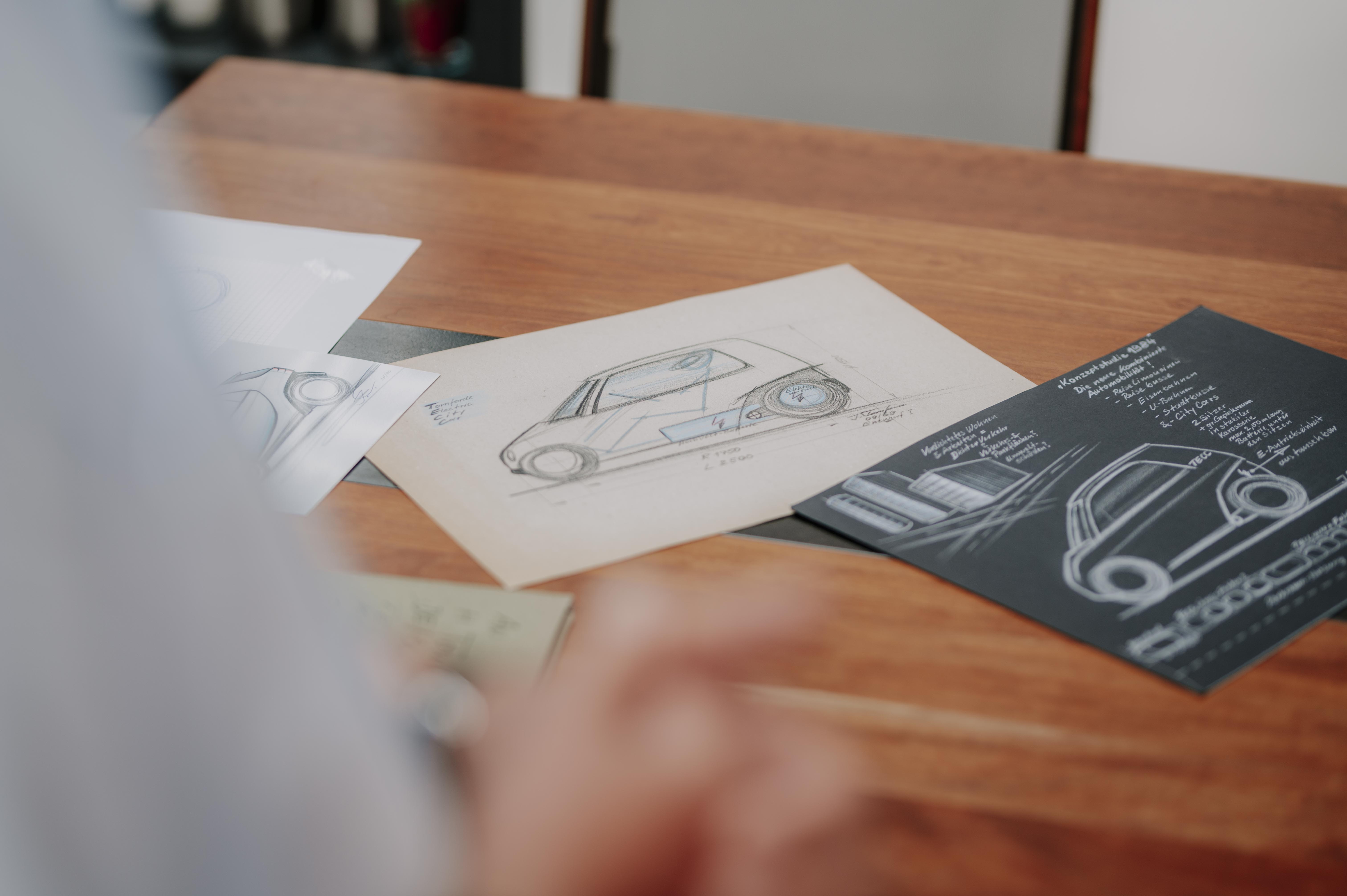
The later cooperation with Swatch added important impulses – particularly in modular thinking, marketing, sales perspectives and the ambition to create a vehicle that would be emotionally distinctive as well as technically innovative. But the overall automotive responsibility remained with Mercedes-Benz and with the engineering, design, logistics and production teams that drove the project forward with technical depth and industrial discipline.
In December 1992, the “eco-sprinter” prototype was introduced, which was already running on electric power in California, as well as the city convertible concept “eco-speedster”, which was then still in development. From that point on, the joint project gained momentum through feasibility studies, concept validation and organizational set-up, leading to the establishment of the organization called Micro Compact Car and the development structures that would later evolve into MCC smart. The project was driven by the determination of engineers and developers to realize genuinely new solutions for safety, packaging, design and urban usability.
Several steps paved the way to market launch and revealed what made smart unique. They included the 1995 safety body study at the International Motor Show IAA in Frankfurt with the TRIDION safety cell, front and rear crash boxes and an asymmetric interior layout, all of which made the vehicle’s distinctive safety concept visible at first glance. This was complemented by ideas such as the intermodal “smart mobility box”, which showed how far the project extended beyond conventional automotive thinking.
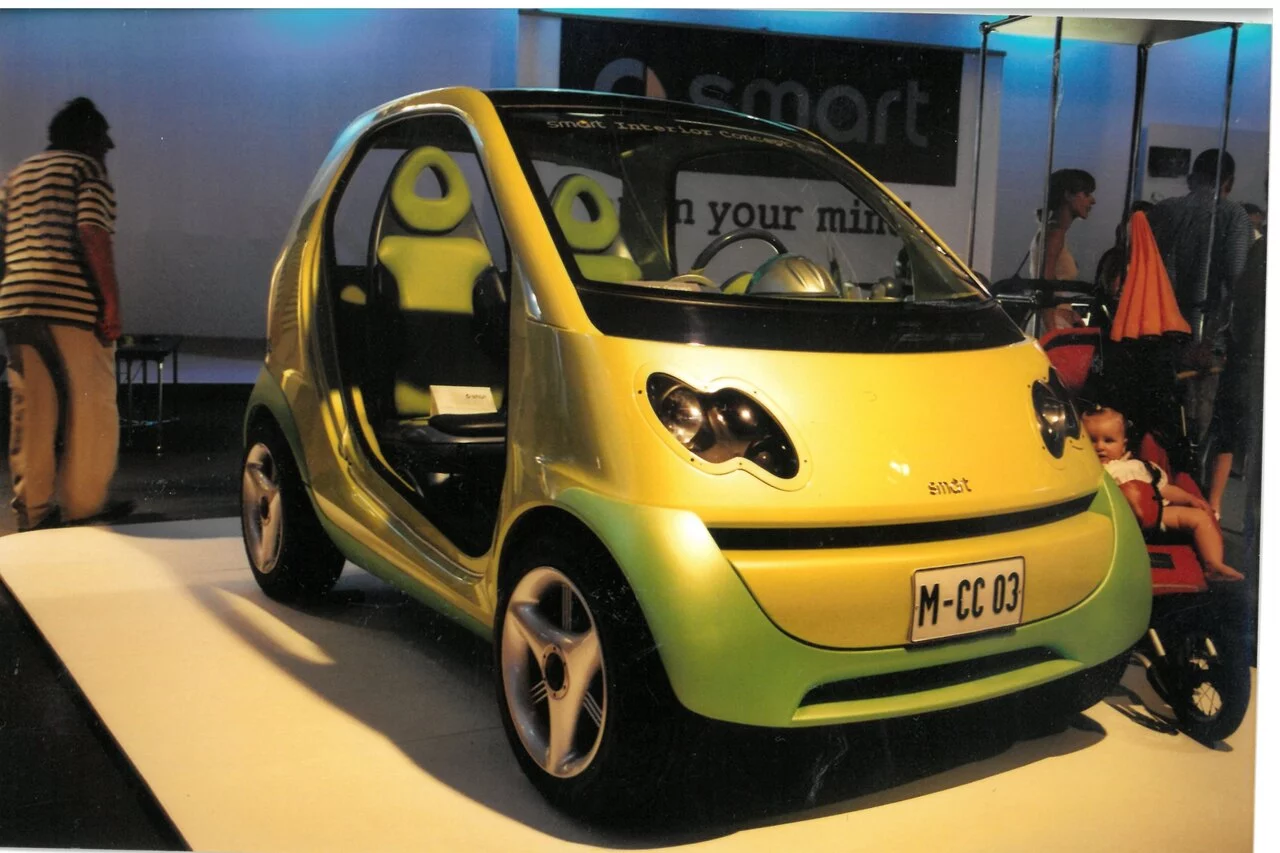
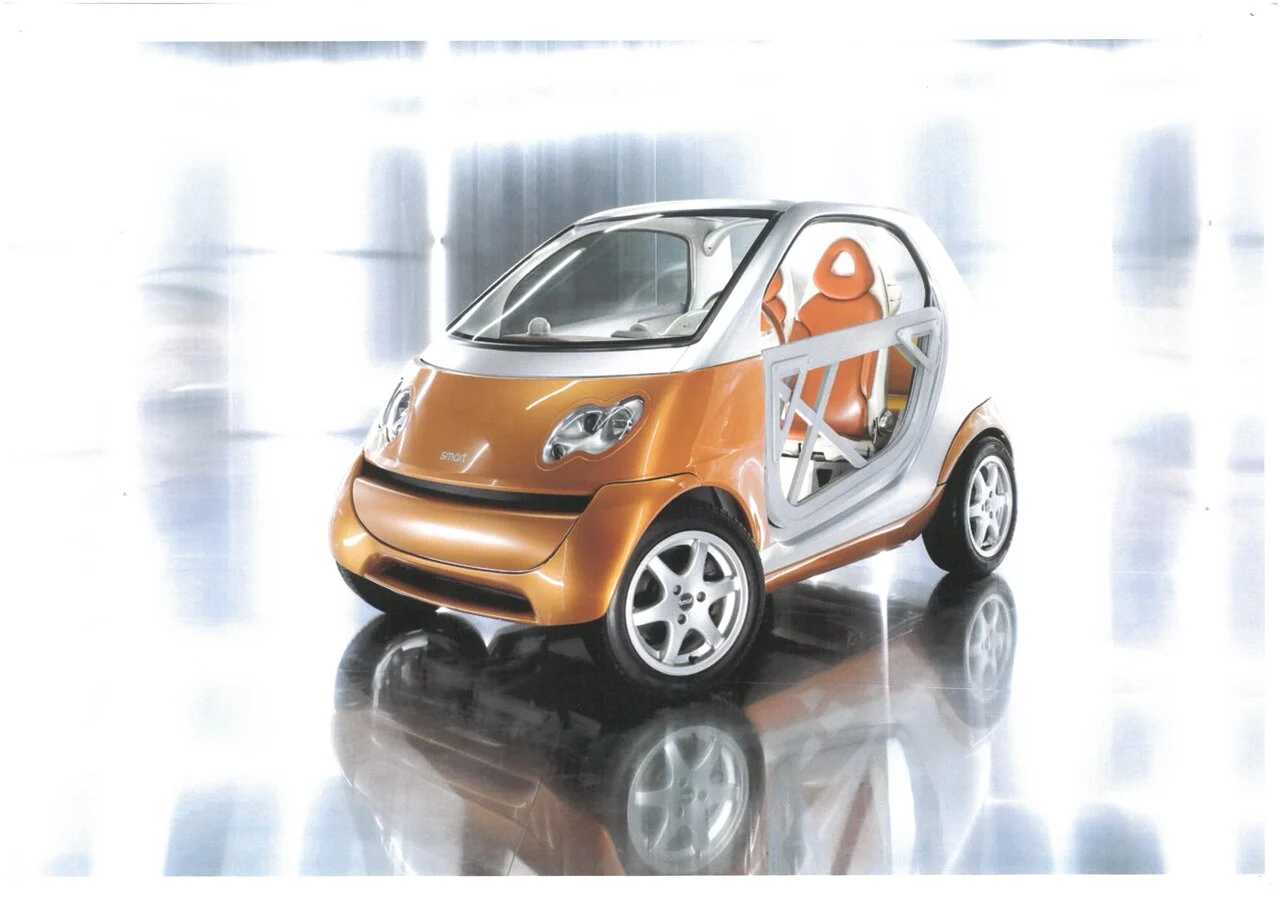
In 1996, further design and interior showcases reinforced smart’s unconventional character, culminating in the memorable presentation of the vehicle as an art object beneath the Louvre pyramid in Paris. The bold live crash demonstrations in Winterthur in early 1997, together with final validation drives with near-production prototypes in Europe and North America, demonstrated that the concept was ready for the road. Step by step, smart proved that it was “not just another car”, but a fundamentally new mobility proposition. The following year, production of the first smart fortwo began in Hambach, France.
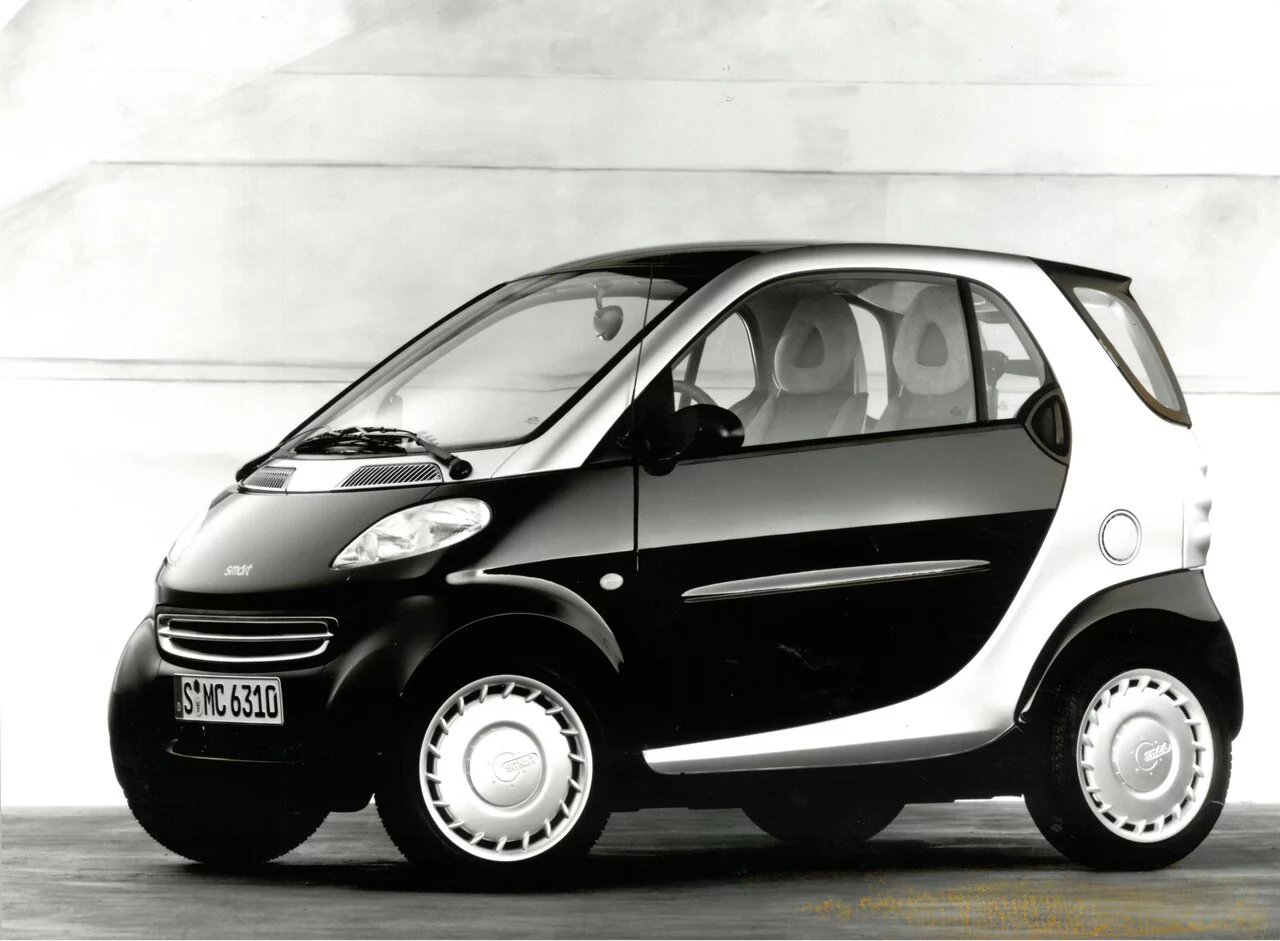
Every model as a statement of unique car design
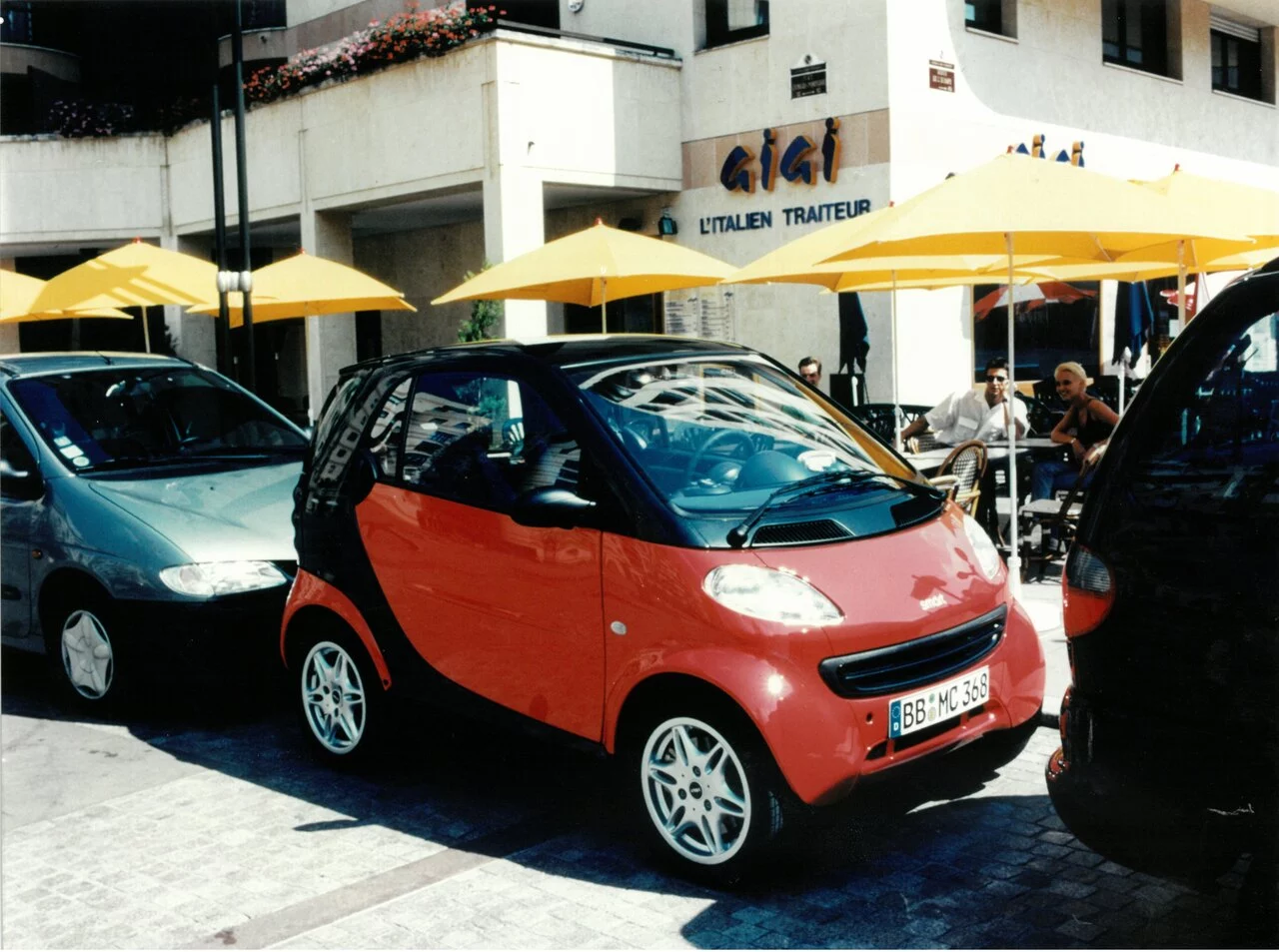
From the very beginning, every smart model has expressed a strong and unmistakable design idea. smart's journey began with the smart City-Coupé in 1998, a trailblazer for compact urban vehicles. With its minimal footprint and maximum interior space, it set the tone for smart’s design principle: compact on the outside, spacious on the inside. Over time, smart’s unconventional spirit found expression in bold and innovative models that pushed boundaries, from minimalist designs to sporty and family-friendly concepts. Together, these vehicles paved the way for today’s generation of smart, combining functionality, driving fun, and forward-thinking design.
A bold mission from the start
When smart made its public debut in the 1990s, it stood for more than compact urban transportation. The project followed a clear internal ambition expressed in guiding ideas such as “Not just another car” or “Do the unexpected”. These principles captured the spirit of the brand from the outset: not simply to build a smaller vehicle, but to realize a bigger idea – one that would surprise people, challenge expectations and inspire conversations. This mindset helped turn smart into a cultural phenomenon. The brand’s appeal was never based on size alone. It came from attitude: daring to polarize, to simplify and to rethink what mobility could look and feel like in the city and beyond.
Always ahead of its time
Over the years, smart has become synonymous with pioneering mobility solutions. The brand demonstrated an early commitment to emission-free driving with electric concepts and test activities well before electric mobility entered the mainstream. The launch of a fully electric test fleet in London in 2007 underlined this ambition and was followed by the market introduction of the smart electric drive in 2008, before the smart fortwo EV entered series production in 2011. With the all-electric smart EQ family from 2017 to 2024, the brand took a further step reaffirming its commitment to emission-free mobility. Beyond its vehicles, smart has also championed innovations in mobility solutions, becoming an integral part of car sharing services such as car2go and its successor, SHARE NOW.
True to the core principles
Since 2022, the new smart product portfolio has addressed individual mobility with a broader, more future-oriented perspective. The latest model generations combine premium quality, state-of-the-art technology and striking aesthetics with a clear focus on efficient, safe, and sustainable electric driving. This development has also been recognized internationally: In 2023 and 2024, smart received the Red Dot Award and the iF Design Award for smart #1 and smart #3, while both models also achieved five-star Euro NCAP safety ratings. In 2025, the smart #5 continued this award-winning legacy with the Red Dot Design Award in the Product Design category and further recognition from Euro NCAP, receiving a five-star safety rating and the “Best in Class” Award as Safest Large SUV of 2025.
From 1998 to the present, every single smart model has been a celebration of creativity and technology. The brand’s core principles – ease of use, maximum interior space and forward-thinking design – are brought together by smart's design philosophy “Love, Pure, Unexpected”. With this legacy and a vision for sustainability, smart continues to shape a new era of future mobility.
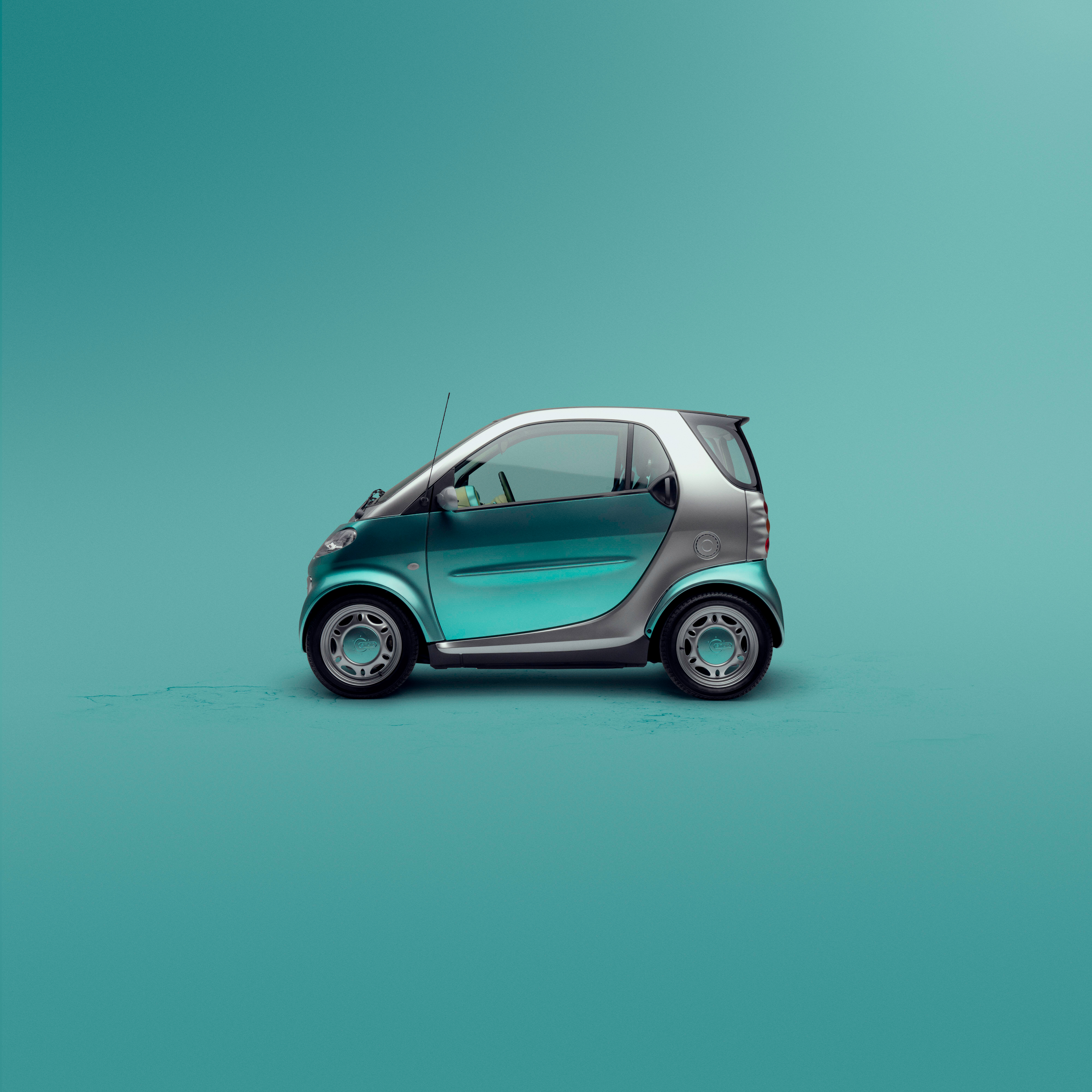
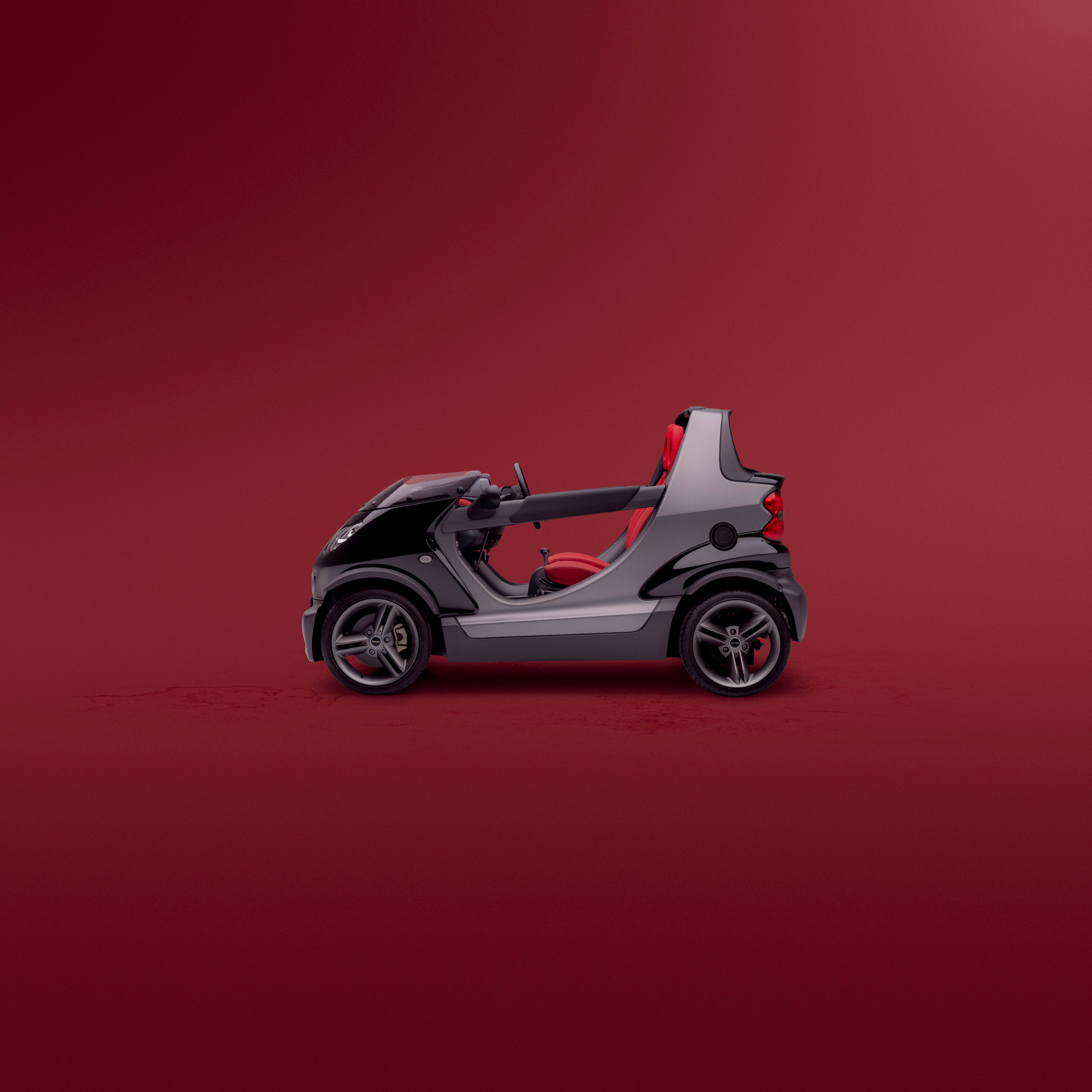
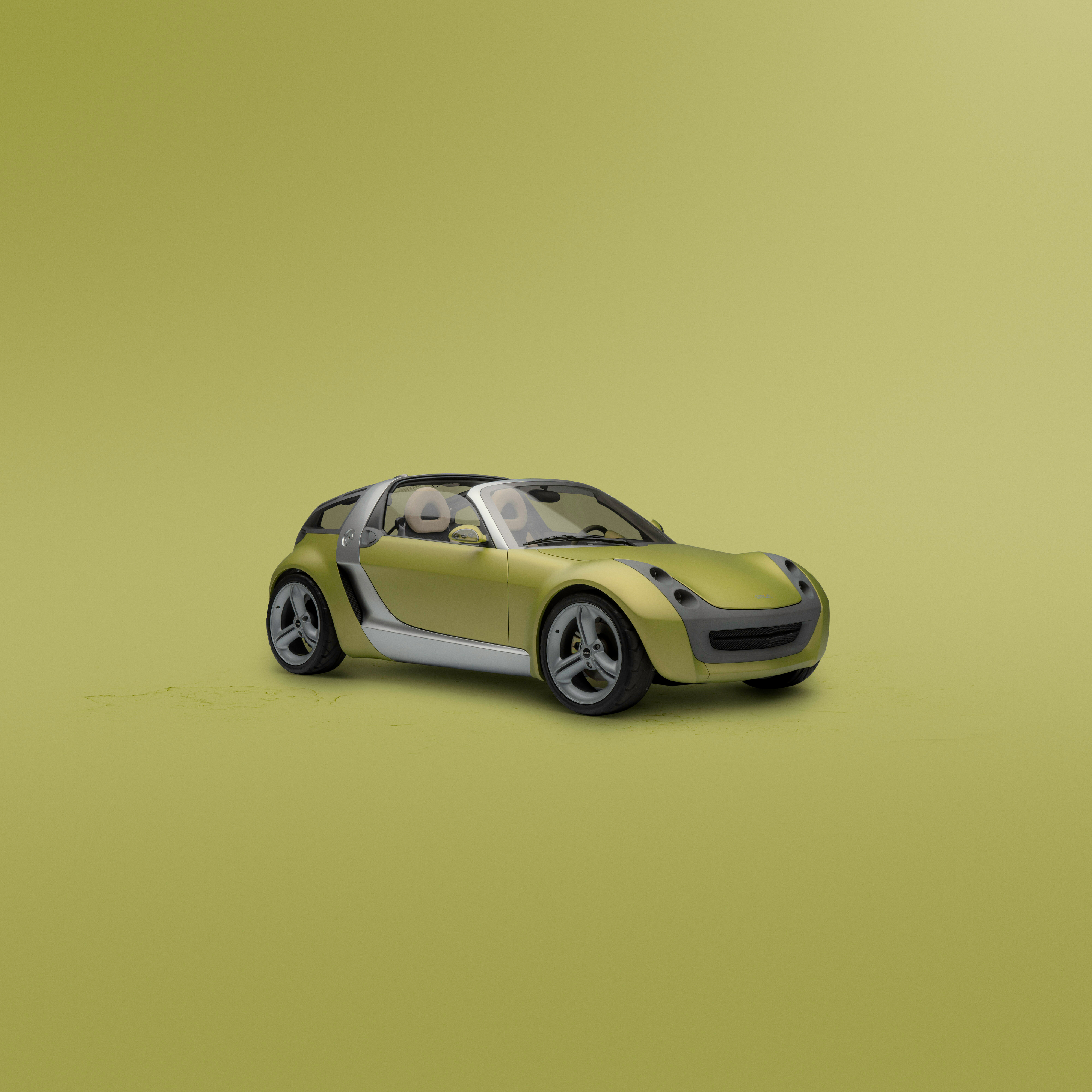
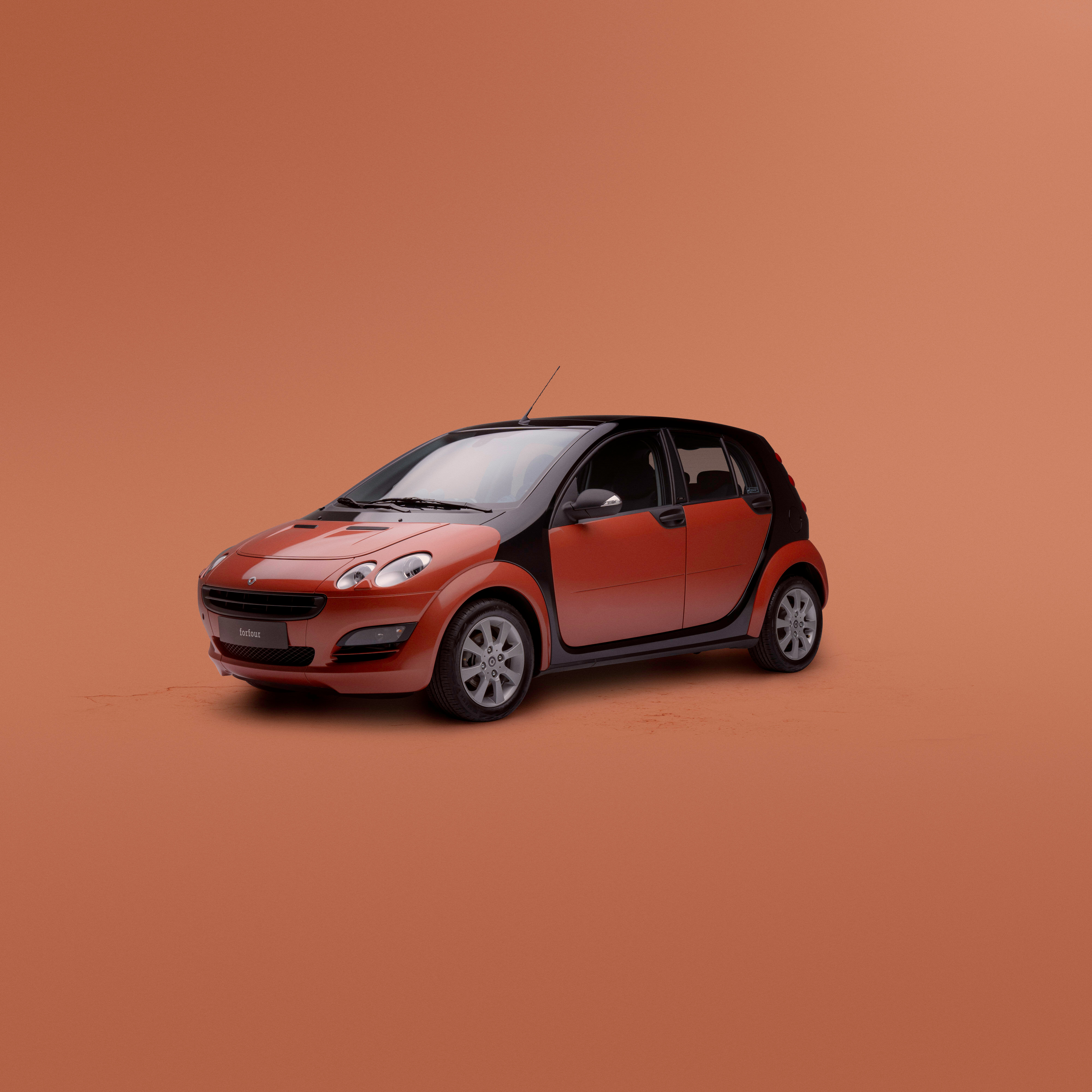
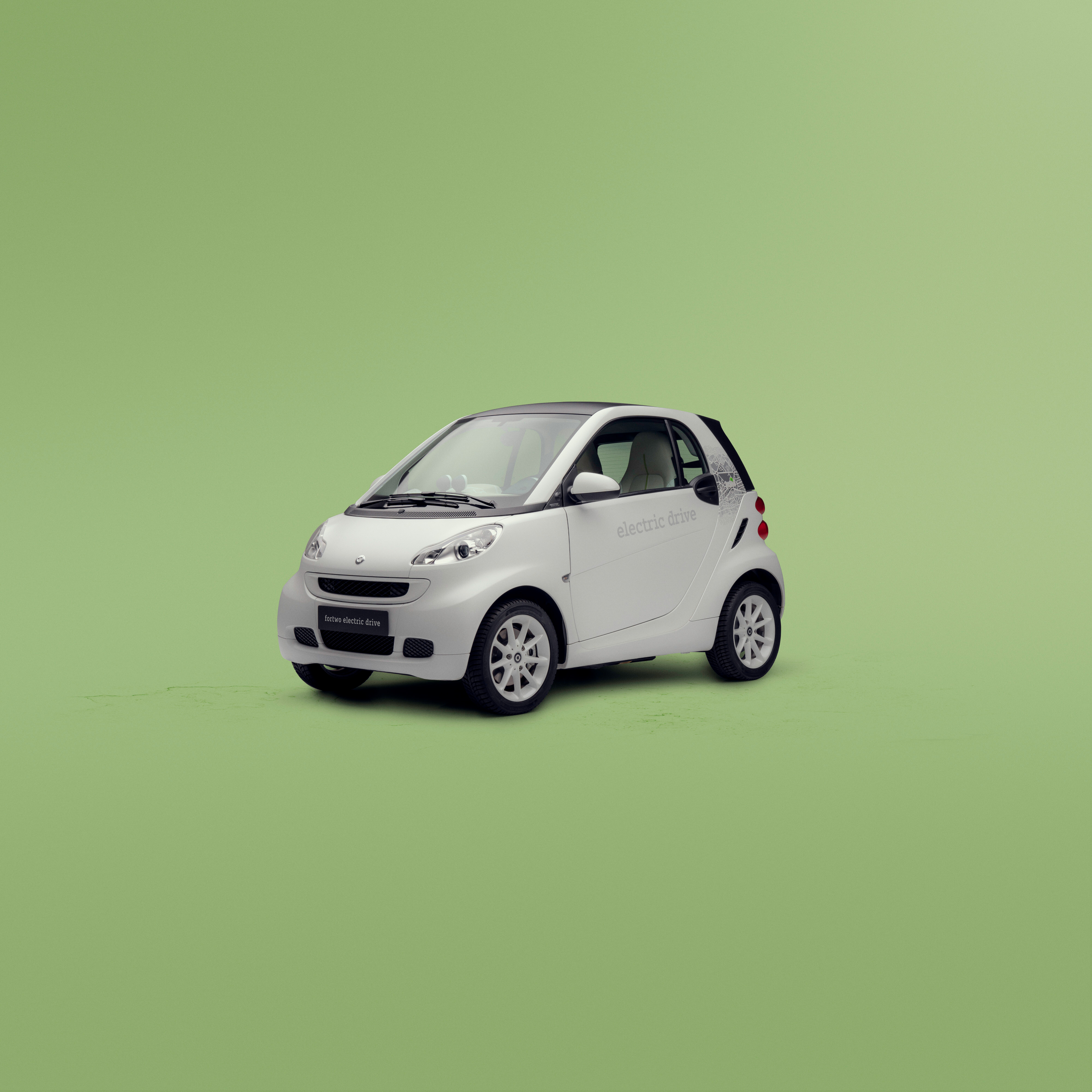
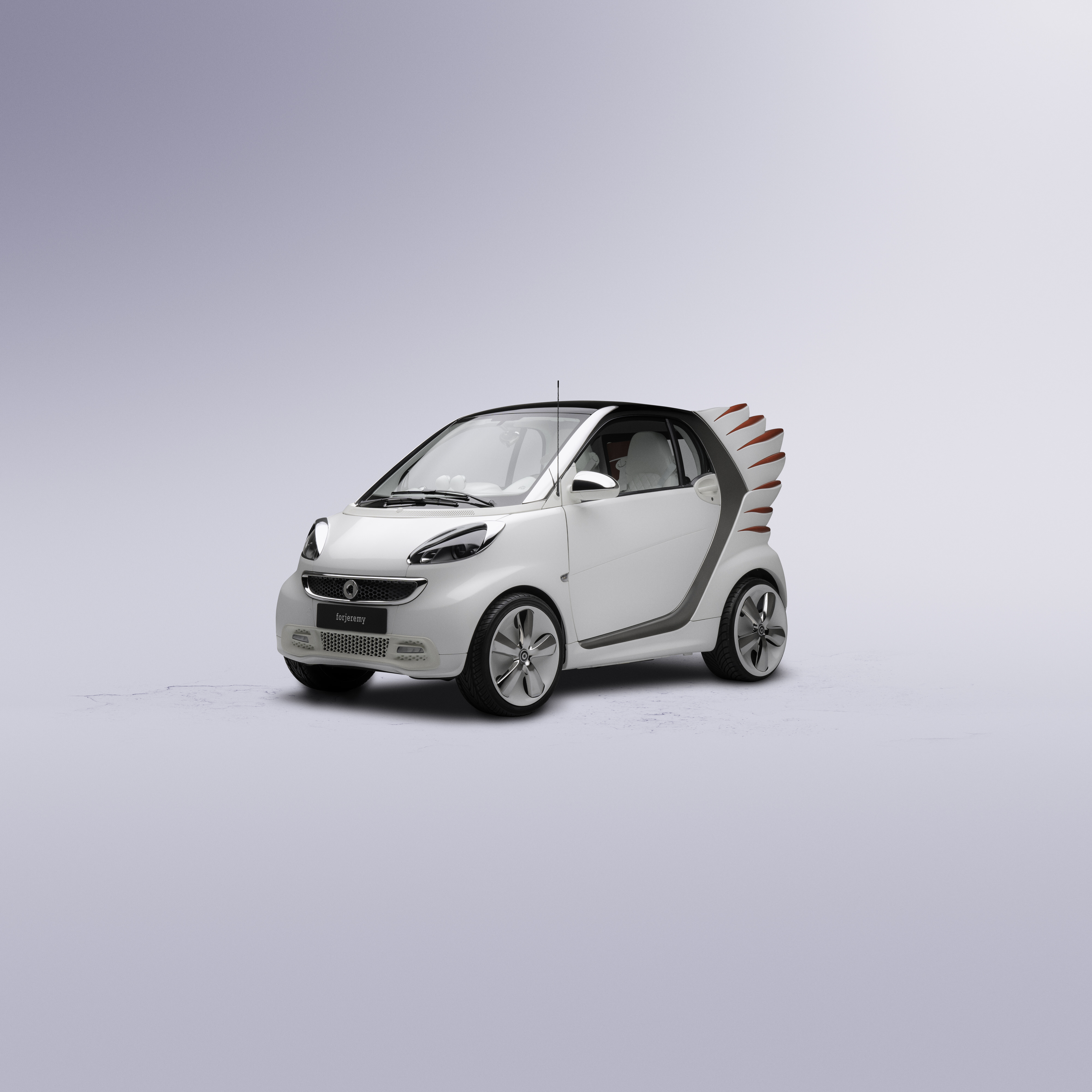
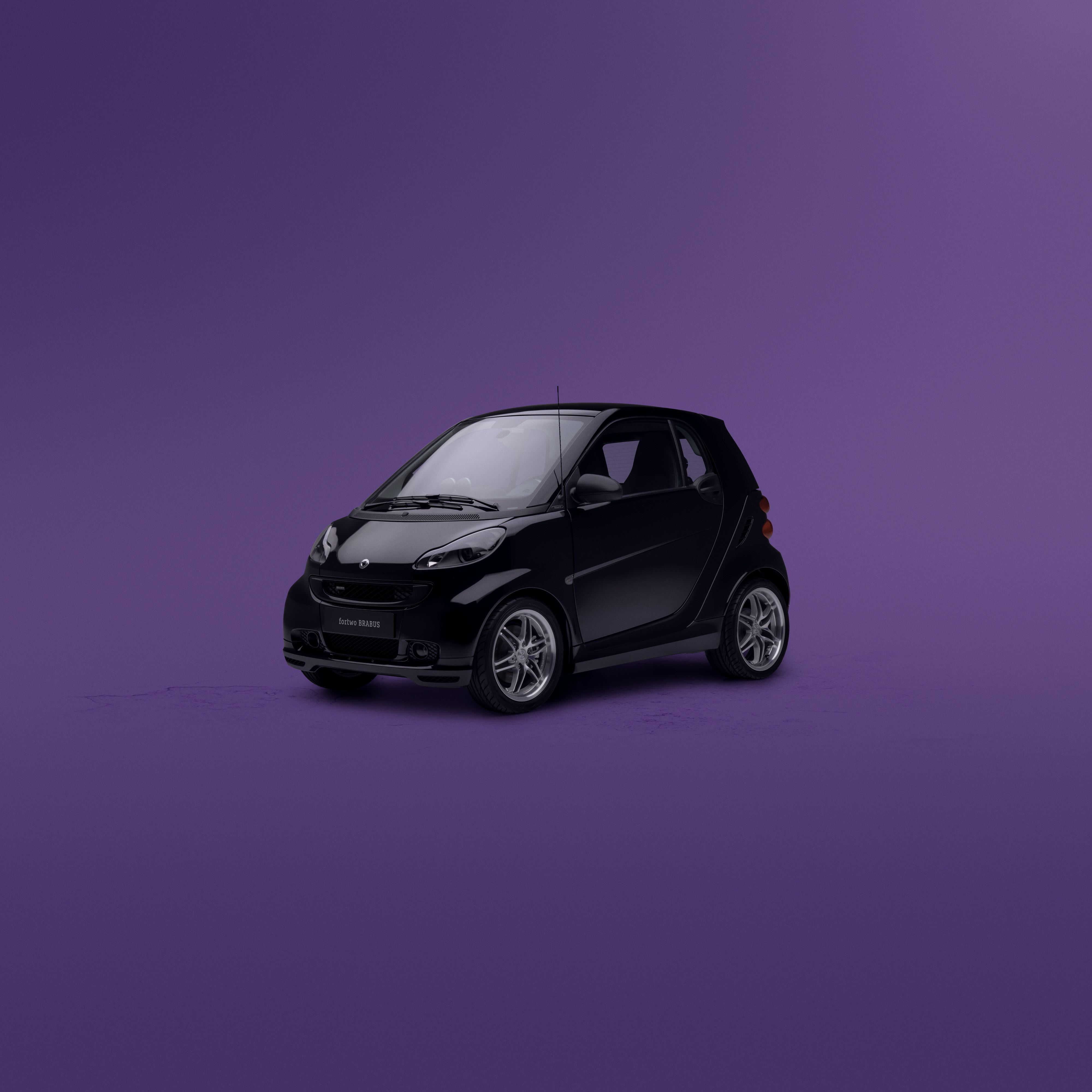
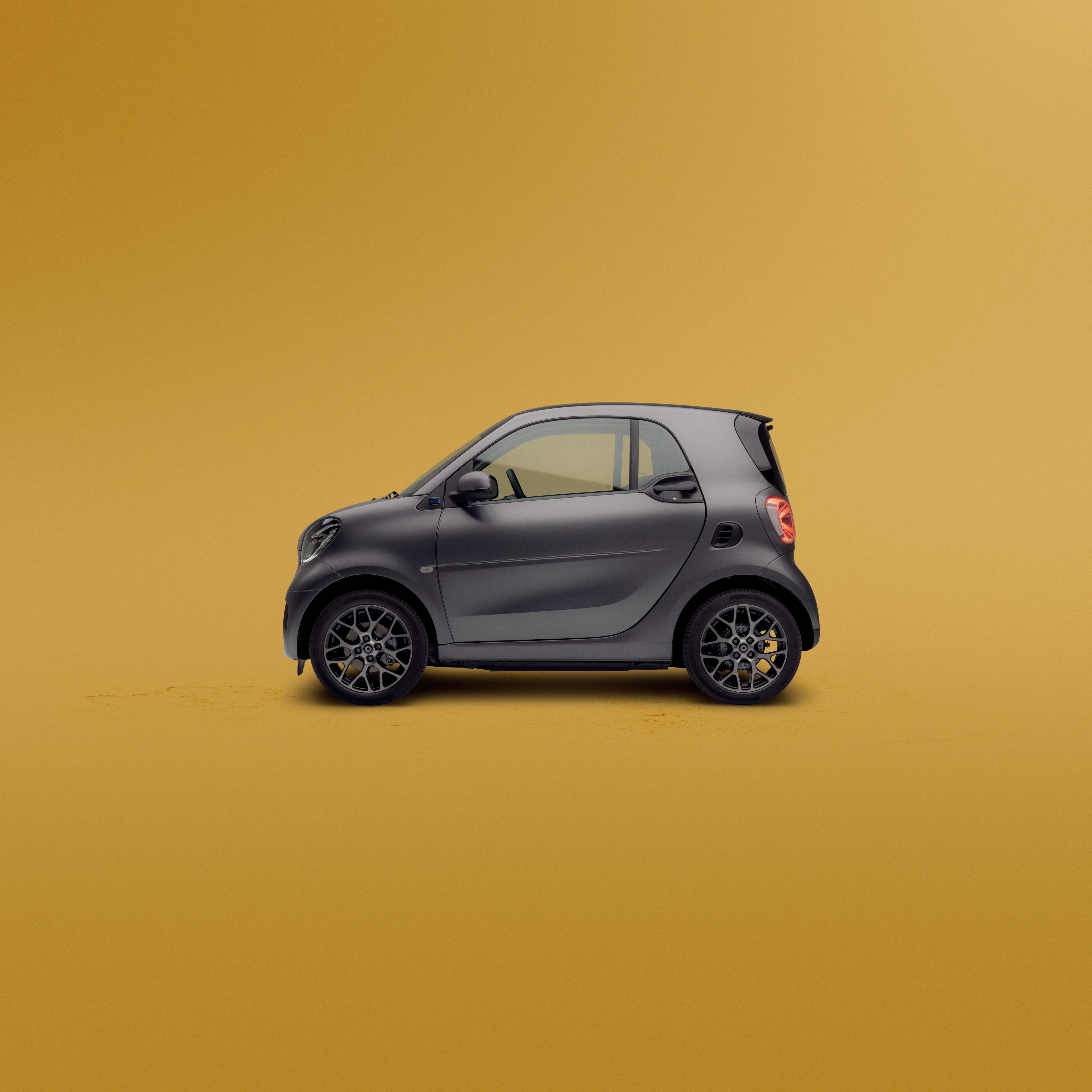
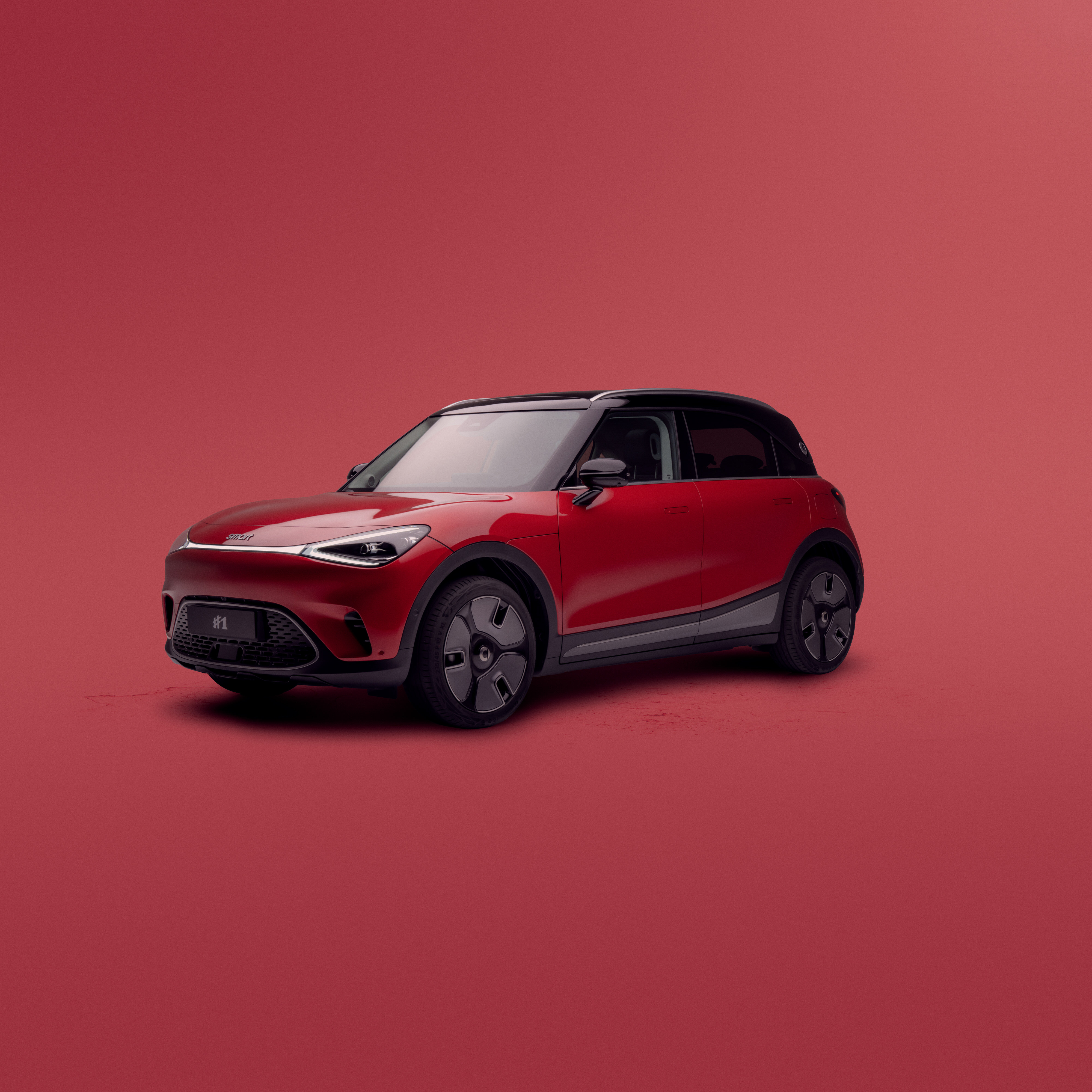
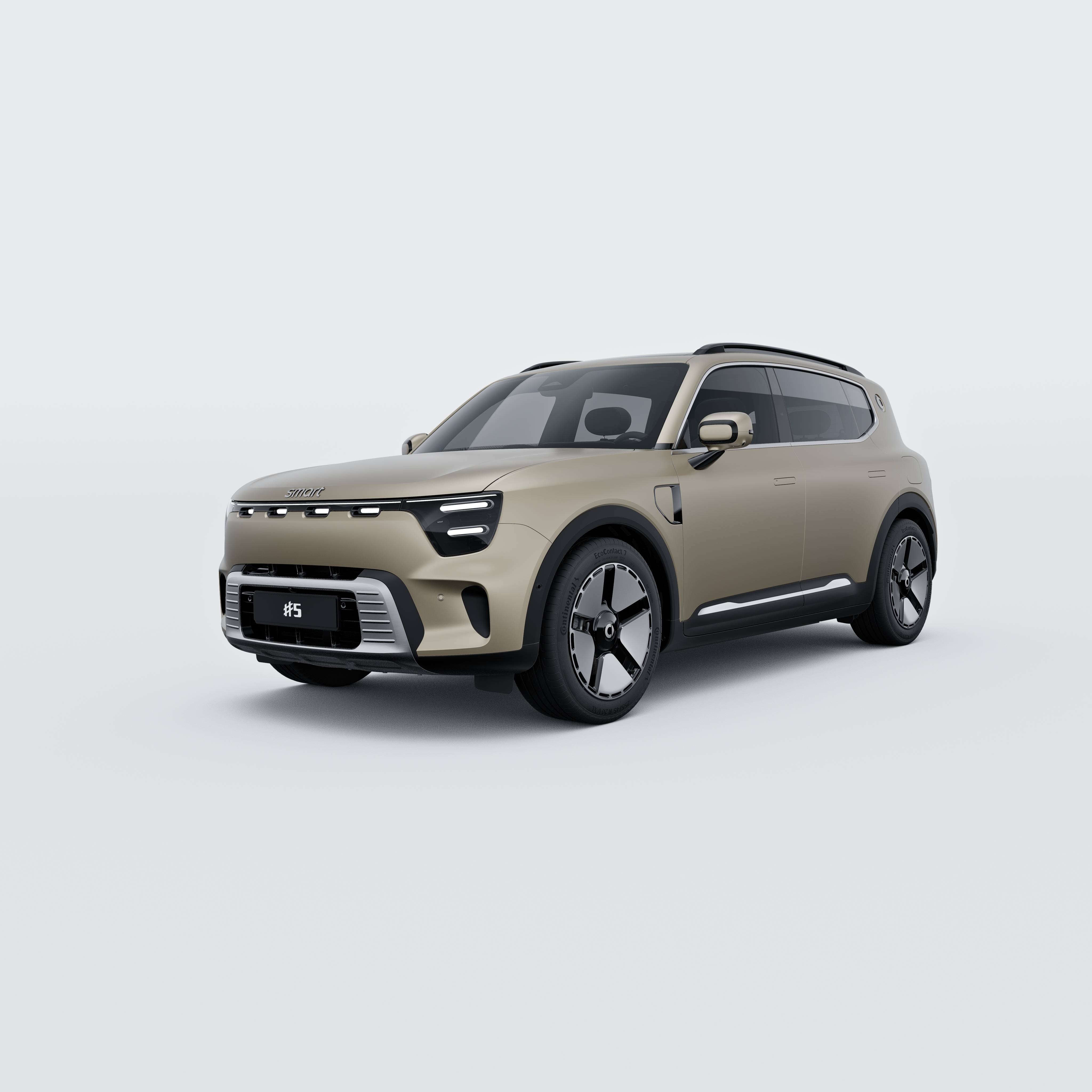
Remark on imagery: The illustrations show some discontinued predecessor models from Mercedes Benz AG.
Pioneering electric mobility
With its growing portfolio of purely electric vehicles, smart is a pioneer in the automotive industry. On top, the new smart generation redefines individual mobility with every new model by ensuring driving fun, safety, and the well-being of all passengers. More specifically,
- the smart #5 sets new standards in charging technology. With an 800V system and super-fast 4C charging capability, the mid-size SUV provides an impressively fast charge. This ensures that drivers spend less time charging and more time on the road.
- driving a smart is always about fun and performance. With impressive acceleration, as exemplified by the BRABUS lines of all models, smart ensures that driving pleasure remains at the heart of the EV experience.
- smart continuously improves its vehicles through regular over-the-air (OTA) updates, directly incorporating customer feedback into new features and functionalities. This ensures that every smart driver benefits from the latest advances of technological development for improved safety, performance and convenience.
Being a first mover in pure electric mobility also means taking responsibility for people and the environment. This is why smart pursues a dual-home strategy in China and Europe, which bundles core competencies in both regions and drives smart's success story: the brand has already expanded to more than 30 countries worldwide, leveraging the advanced R&D and green production facilities in China, which were awarded the internationally recognized ISO 14001 environmental management system certification in 2023. While the development and production takes place in Geely's global engineering network, the exterior and interior design is lead by Mercedes-Benz Design.
This quest for a balance of ‘human-centric tech and sustainability’ guarantees a responsible yet emotional electric driving experience that enriches people's lives in a meaningful way.
The customer-centric era
In 2022, smart embarked on a bold new chapter. With the compact and versatile SUV smart #1, the dynamic and stylish SUV-coupé smart #3 and the highly versatile smart #5, the brand now covers a significantly wider range for different lifestyles and use cases than ever before – from compact urban everyday mobility to more versatile family-oriented electric driving. Each smart model itself is a testament to the brand’s commitment to combining practical solutions with cutting-edge design and technology to enrich individual mobility for a smarter, more connected future.
From Paris to Europe’s electric future
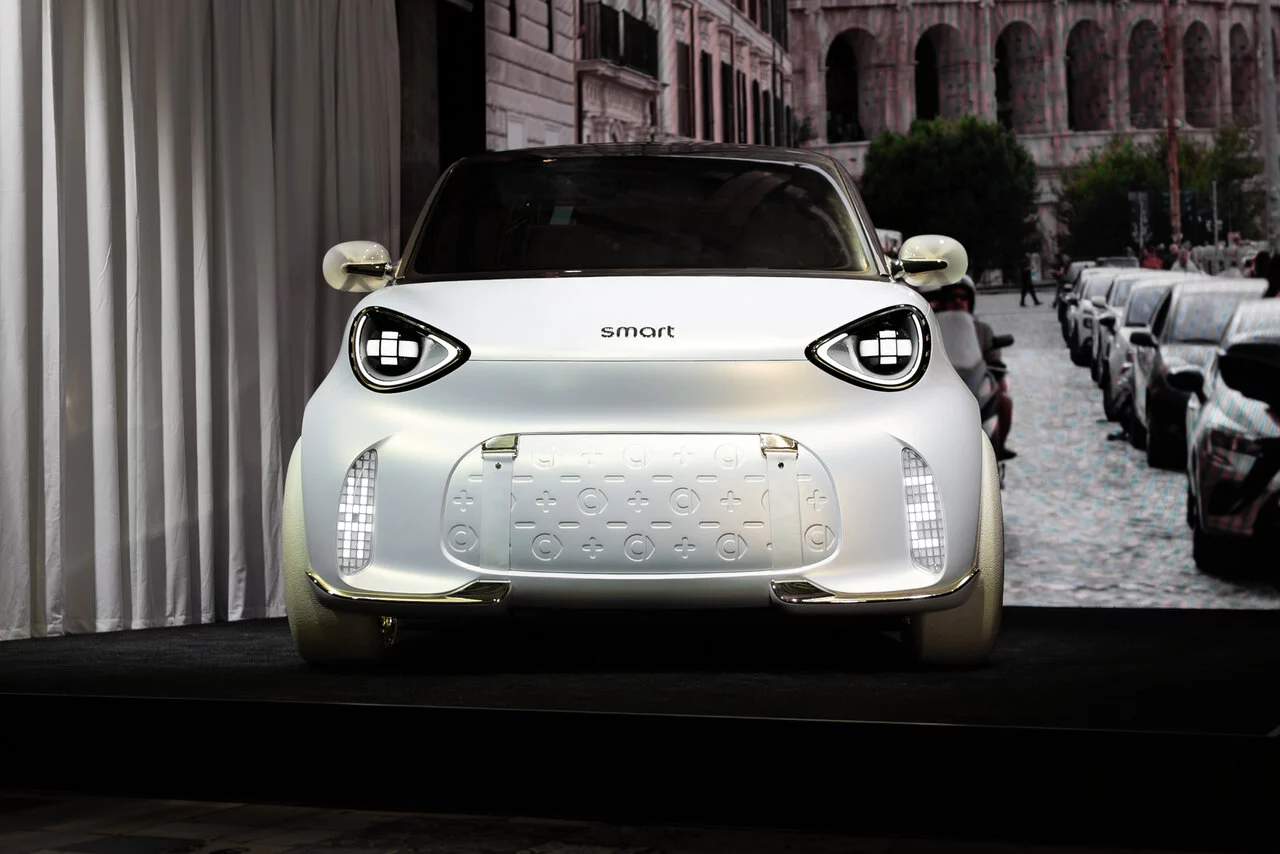
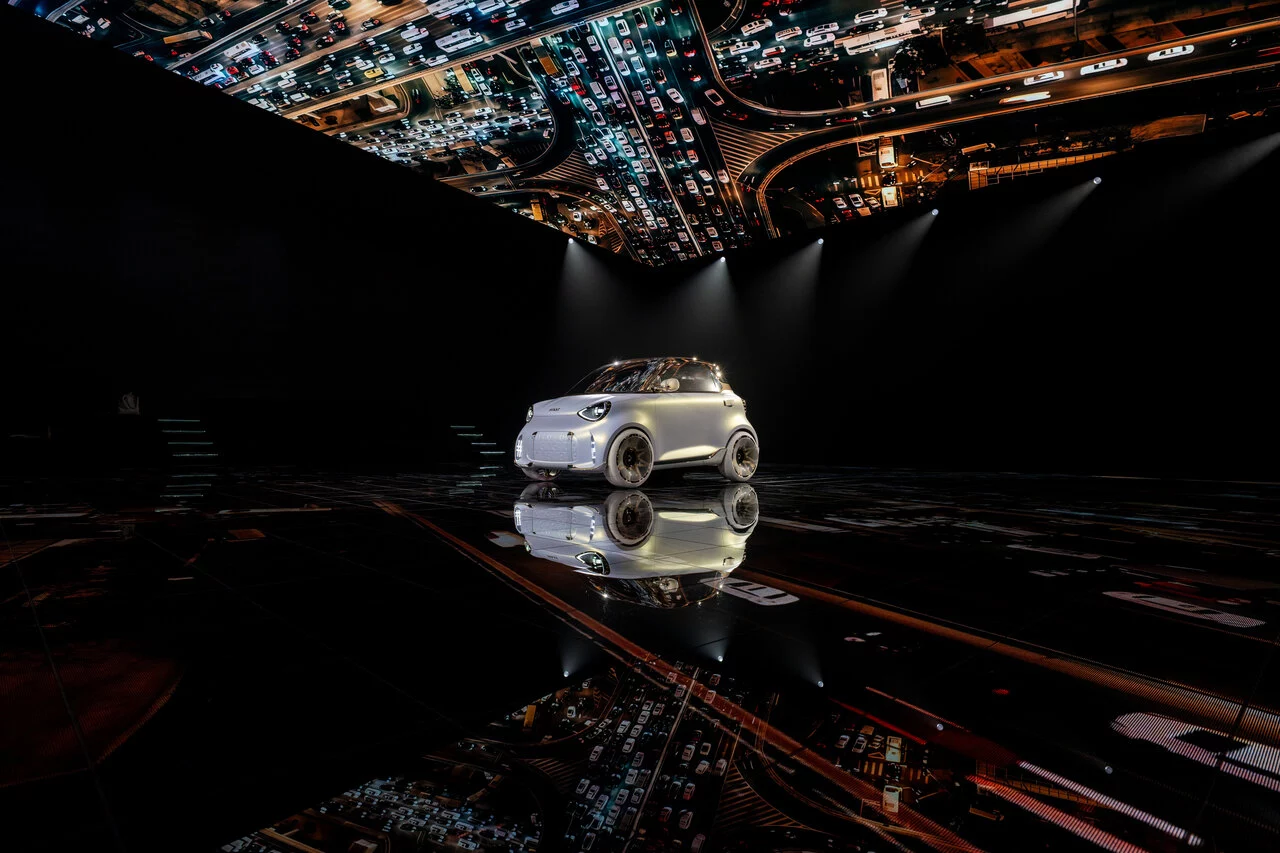
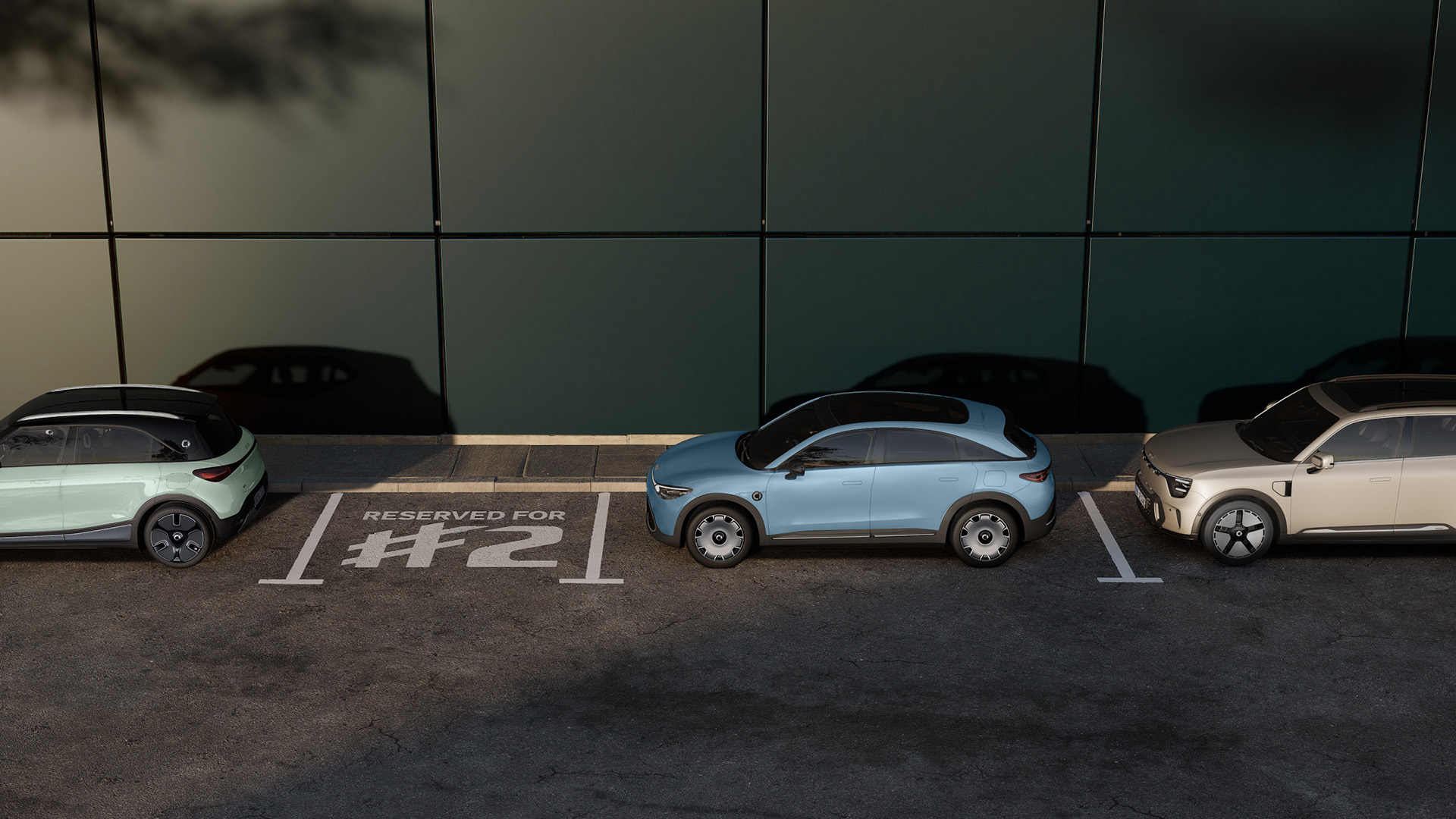
With the successful feasibility completion of “project: two” in September 2025, smart reaffirmed its commitment to its iconic roots and to the future of urban mobility. The smart #2, as the fourth model in the brand’s product portfolio in Europe, brings this ambition into a new all-electric era. As an ultra-compact two-seater for the A-segment, it carries forward the core values of the original fortwo while responding to the demands of contemporary city life.
The Concept #2 made its first public appearance at Auto China in April 2026, offering an initial outlook on smart’s new urban two-seater. With Europe defined as its key region, the production vehicle of the smart #2 is now set to celebrate its world premiere at the Paris Motor Show in October 2026 – a significant milestone that underlines smart’s enduring relevance for urban mobility.