Beyond the Freezing Point: Testing smart in Iceland's Winter Extremes
jpg
The European R&D team of smart ventures to frozen lakes and deep snow to prove that electric mobility can thrive where nature shows no mercy.
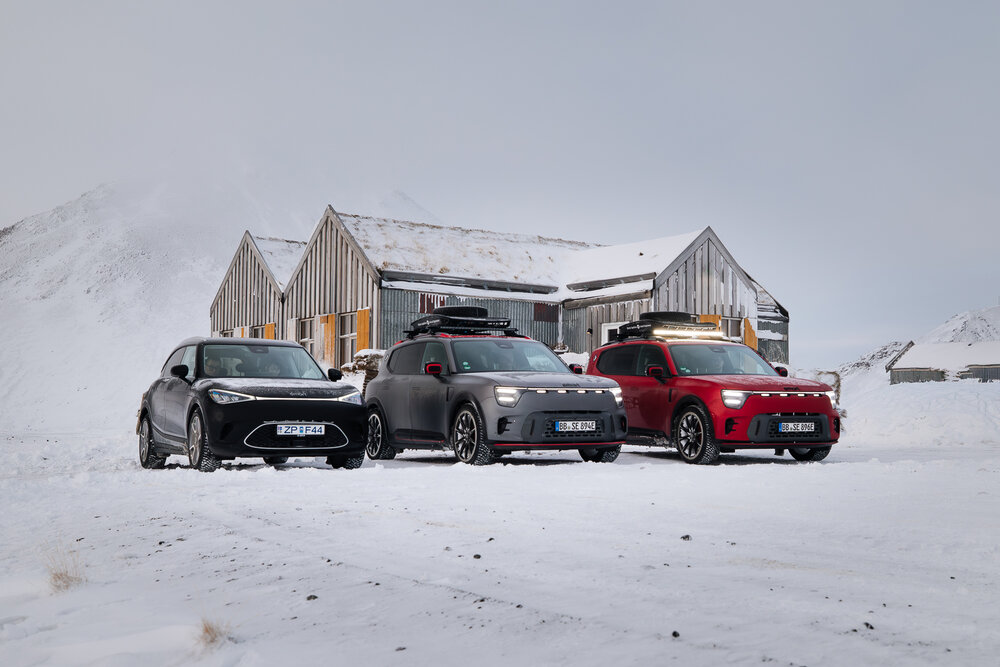
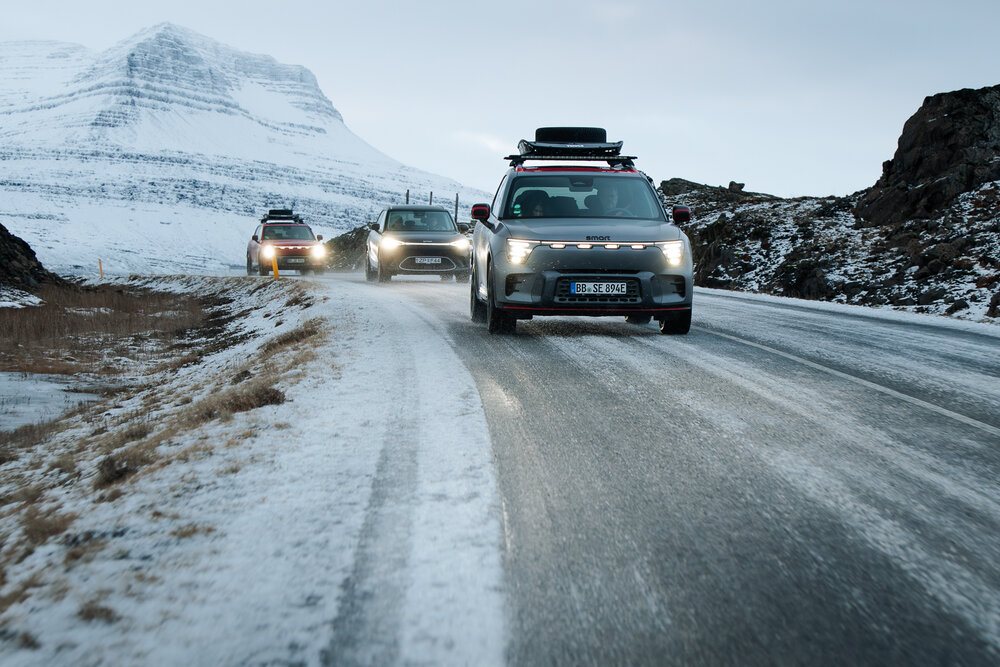
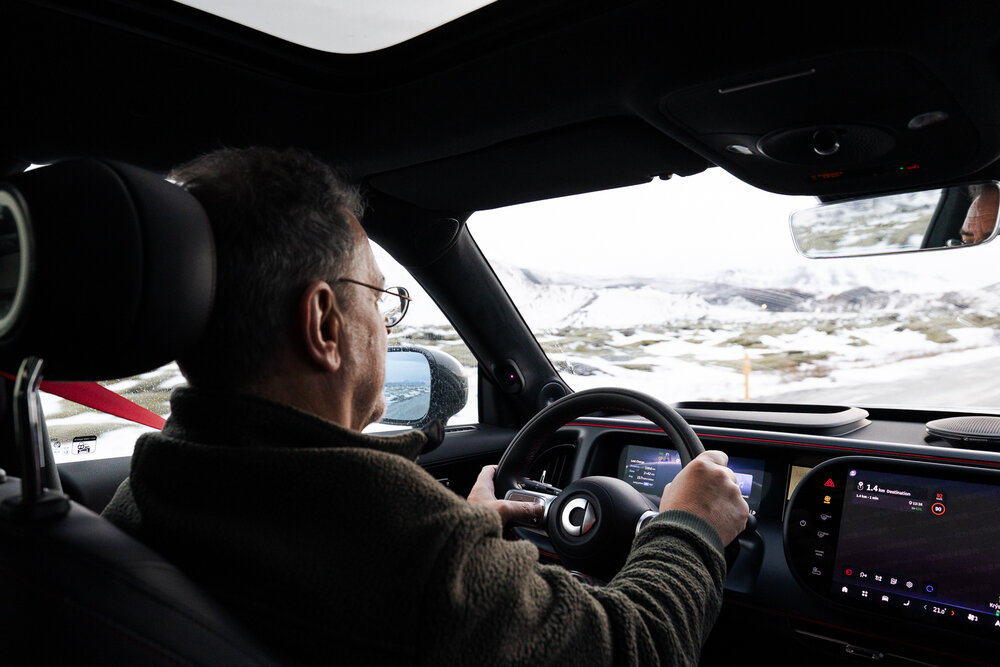
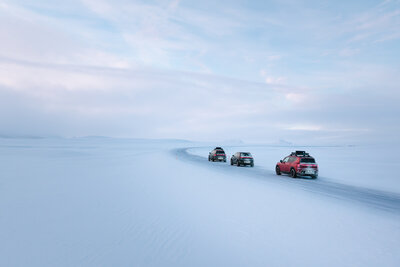
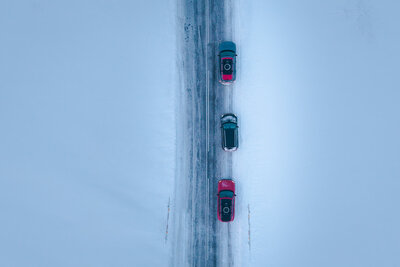
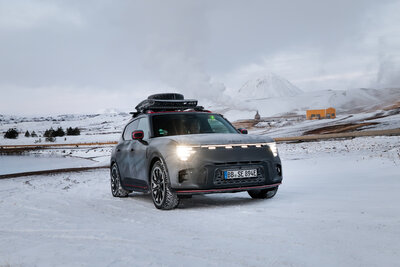
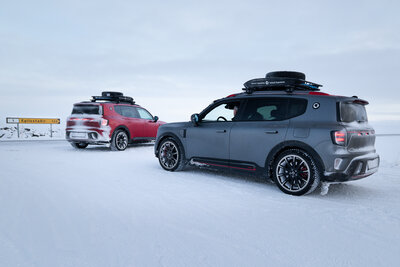
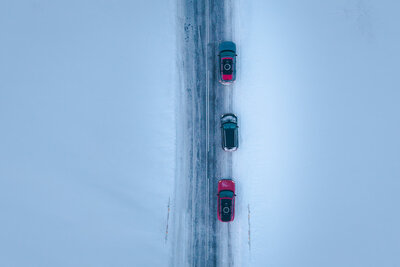
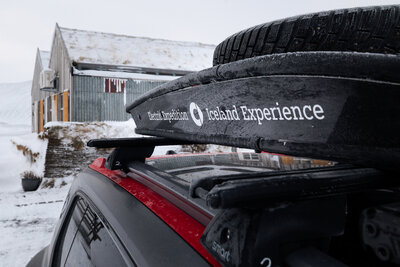
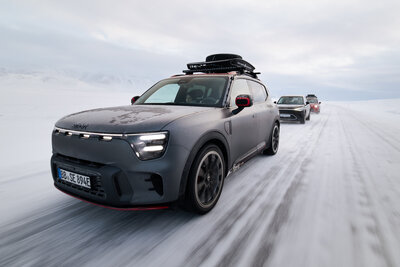
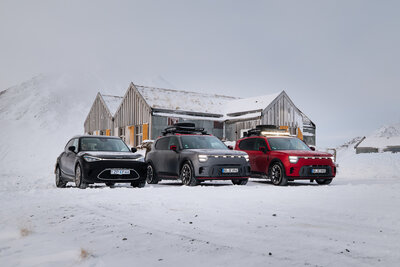
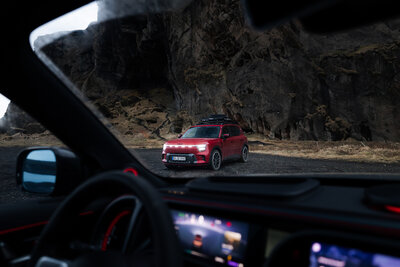
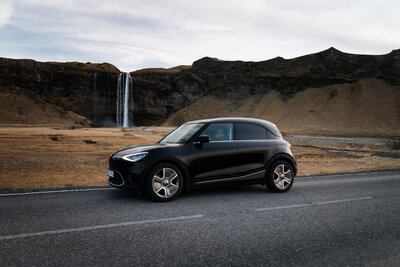
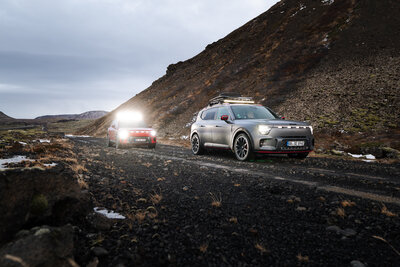
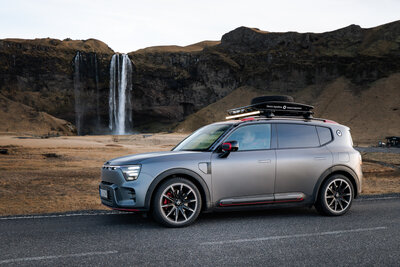
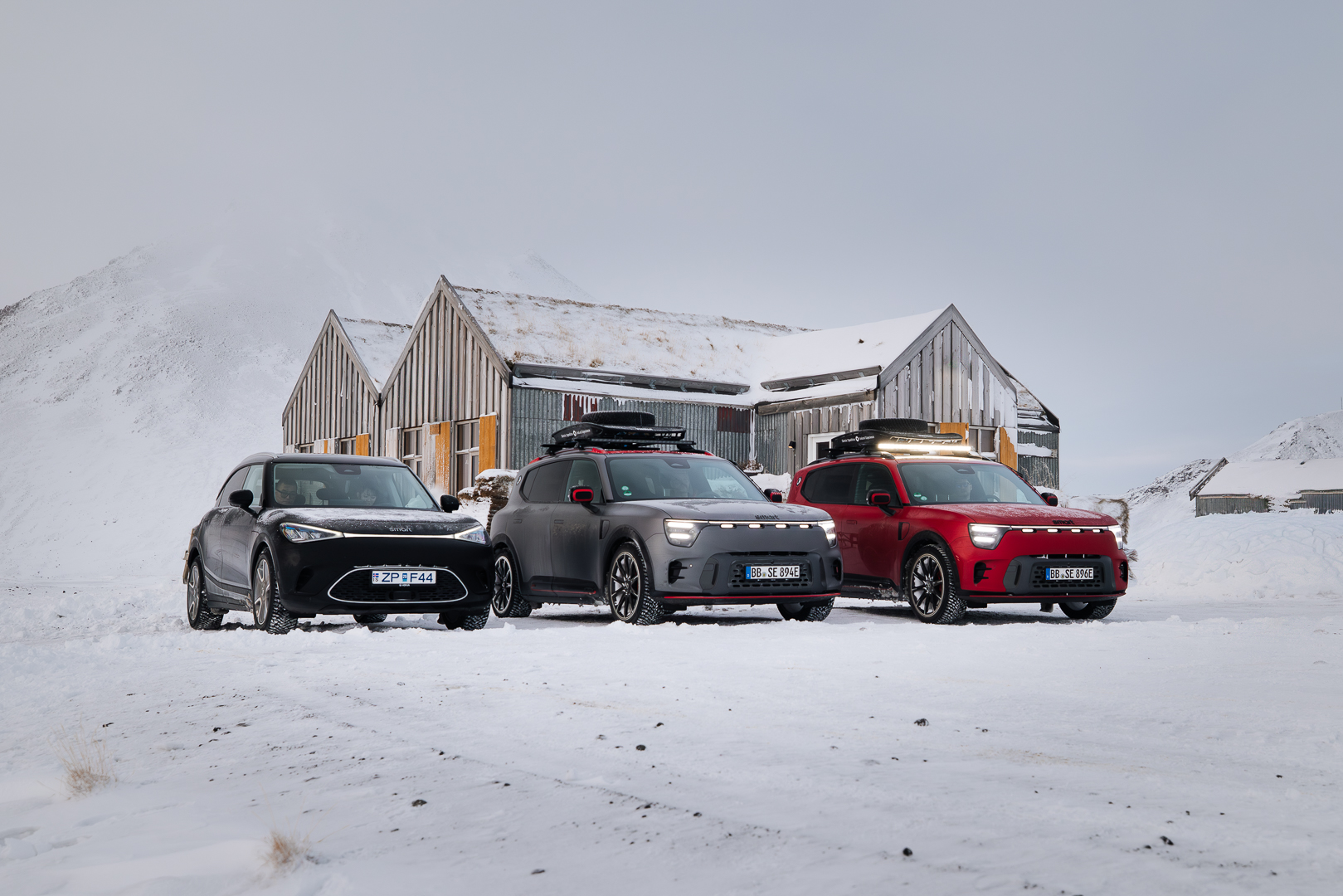
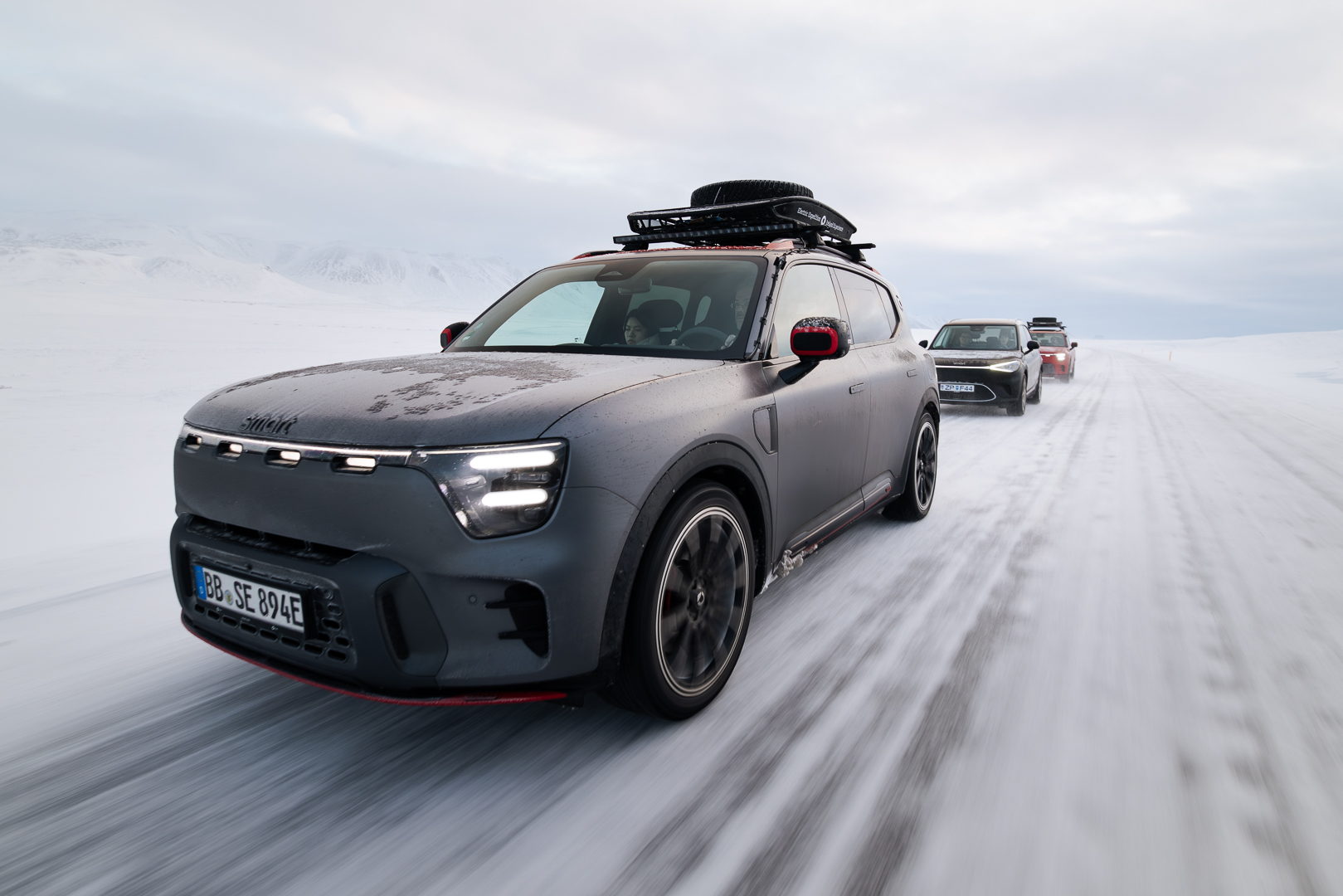
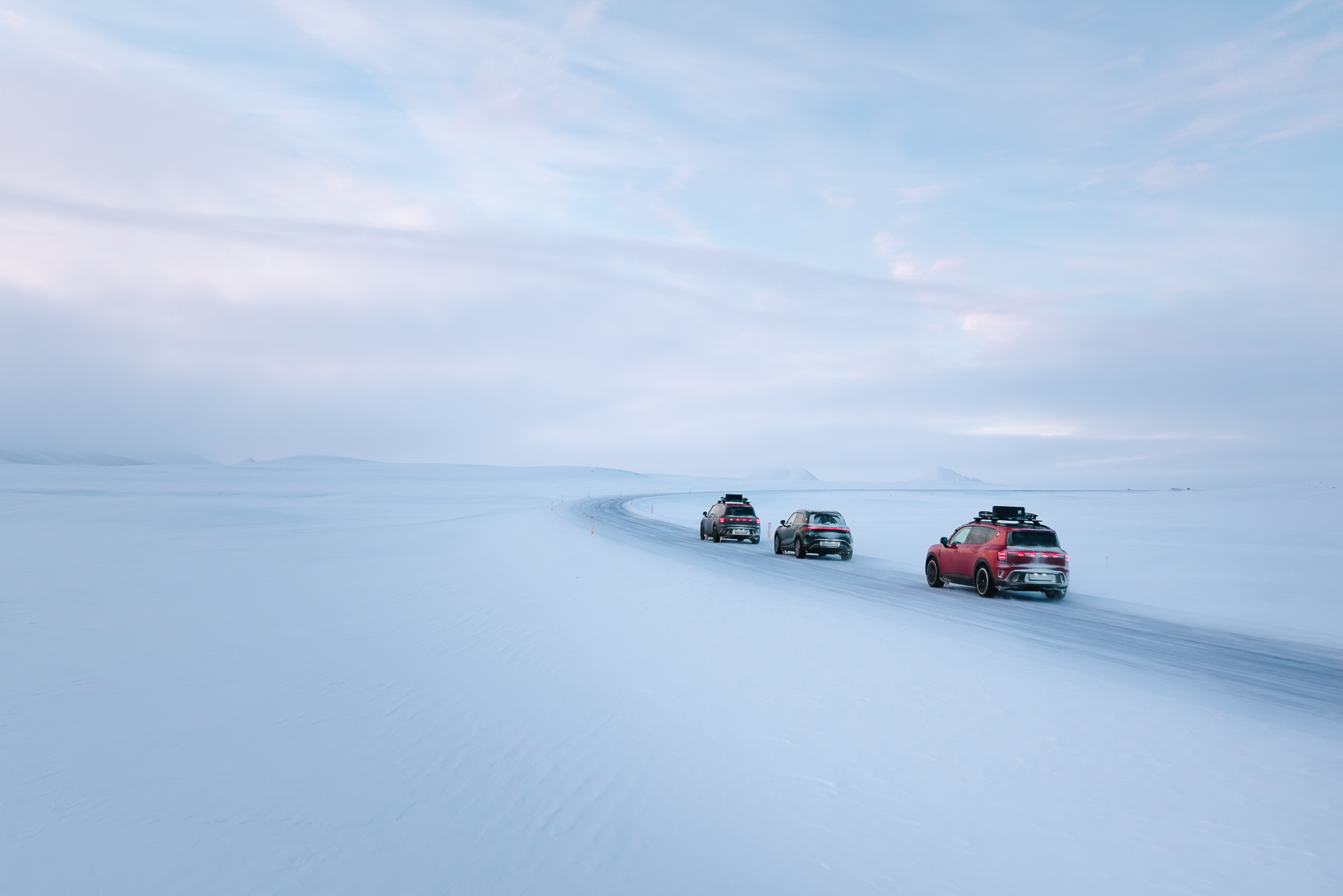
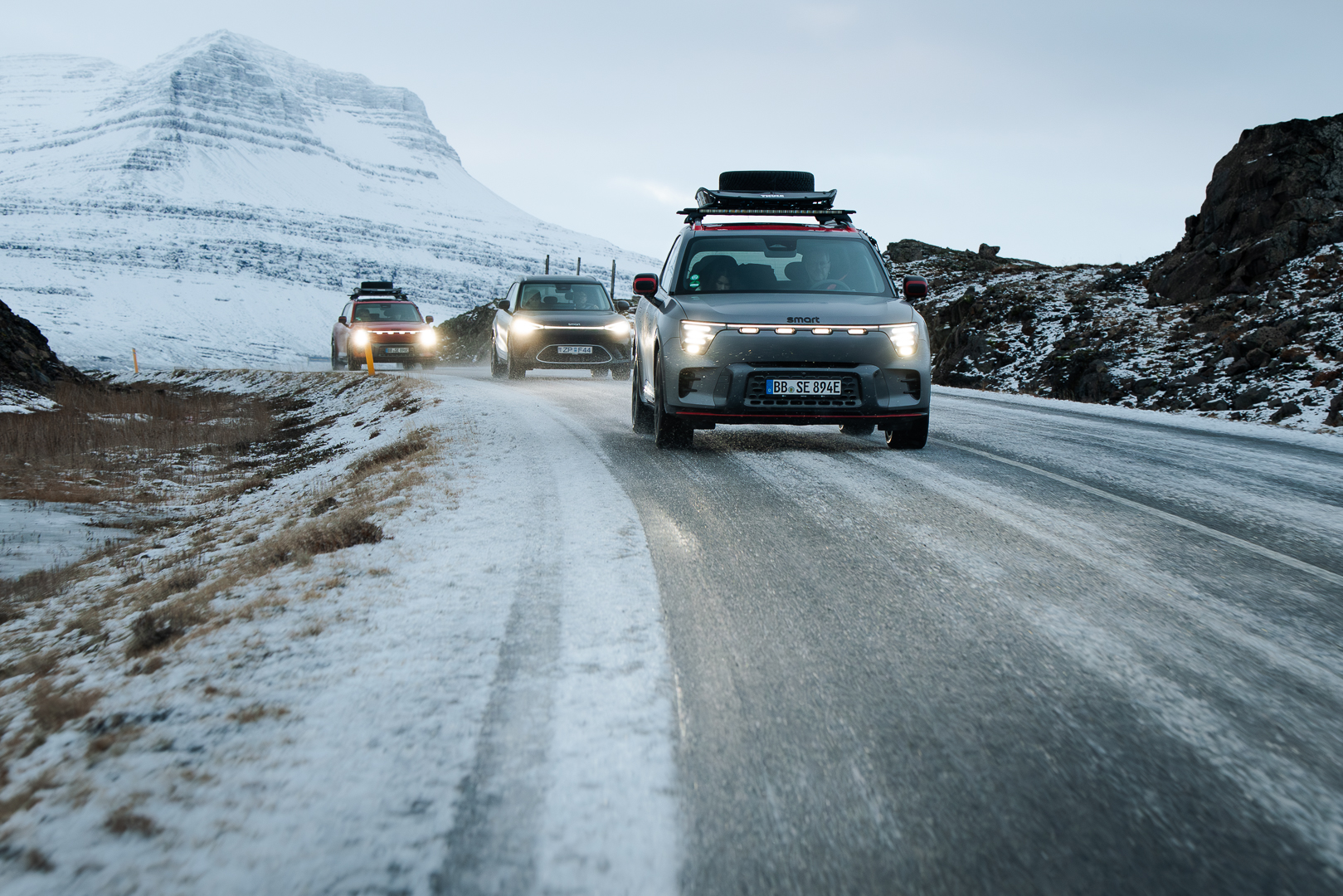
The volcanic steam rises ghost like from the frozen ground as two smart #51 carve their way through fresh powder. It's minus twelve degrees Celsius, and the landscape looks otherworldly, unforgiving, and beautiful. This is Iceland in winter time, the land where fire and ice have been locked in an eternal dance. And this is where smart's European Research & Development team has come to find out what their vehicles are truly made of. For twelve days, from late November into December 2025, a team of six smart R&D engineers pushed three all-electric vehicles through 2,600 kilometers of Iceland's most challenging terrain. Two smart #5 BRABUS models and one smart #12 Pulse, all vehicles equipped with all-wheel drive (AWD), were the companions and test subjects in one of nature's most demanding laboratories.
jpg
The Island That Tests Everything at Once
Why Iceland? The question seems obvious since most manufacturers rather head to northern Scandinavia for winter testing. There you can find vast, frozen testing grounds where temperatures plummet, but conditions remain relatively consistent. Iceland, however, offers something rarer: extreme weather diversity and therefore a unique climatic complexity. Within hours, you can experience cold and humid coastal conditions, then drive inland to cold and dry environments. Add Atlantic weather systems and altitude changes, and you have a natural testing facility that would be impossible to replicate artificially. The logic is simple: if it works there, it will work anywhere in Europe. There's another reason that matters beyond climatic complexity: Iceland has become an important market for smart with customers driving on these roads, in these exact conditions every day.
jpg
Tested by Nature
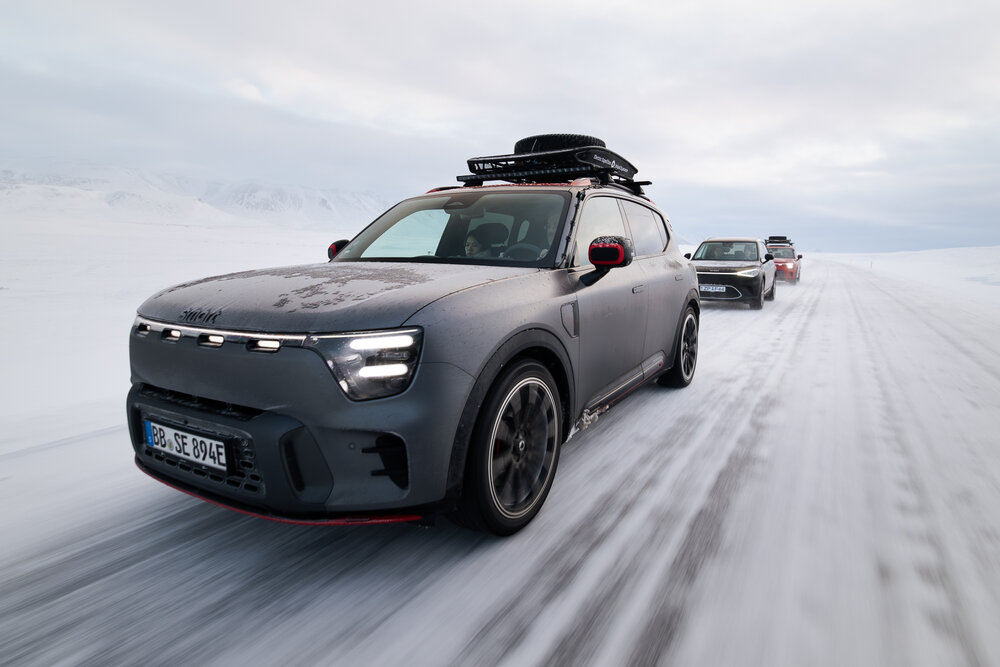
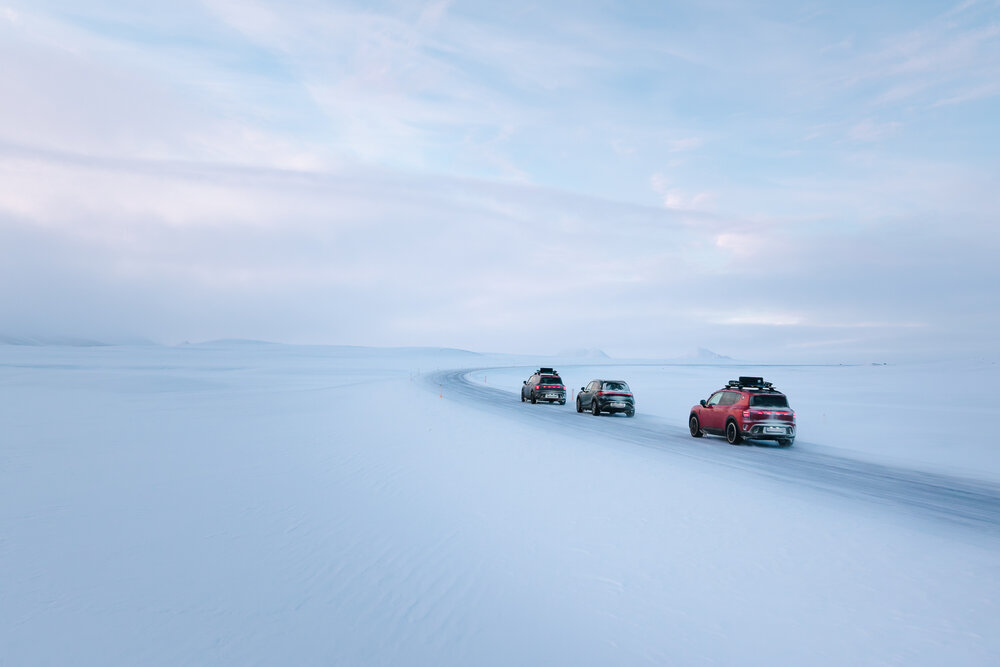
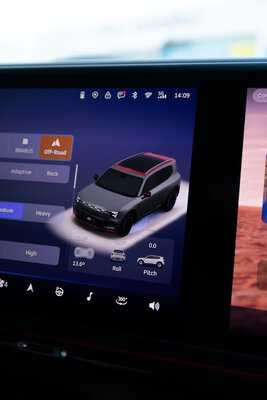
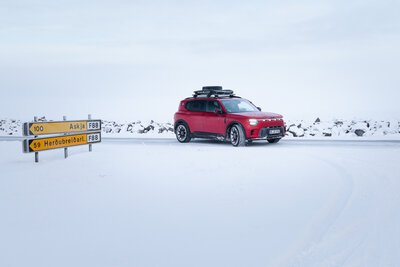
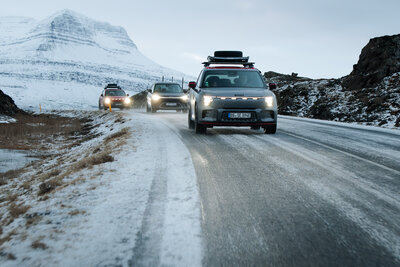
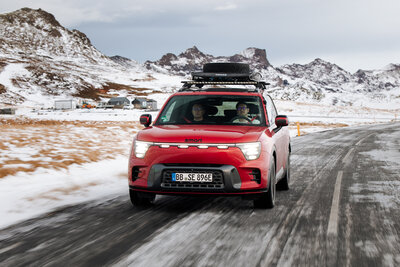
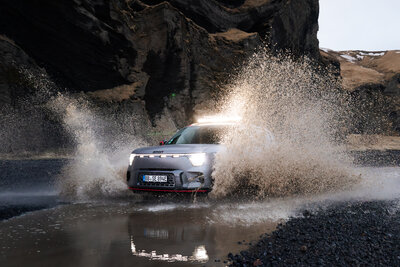
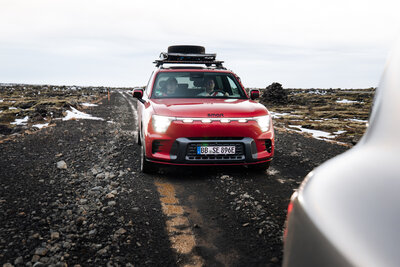
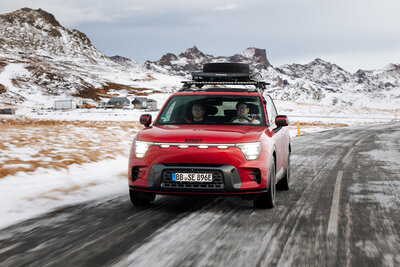
On Iceland's legendary Ring Road, a 1,300-kilometer circular route around the island, the team deliberately turned inland, to seek out the most adverse conditions it could find3. Deep snow, the kind that swallows normal vehicles, became the test site. The smart #5 and #1, equipped with appropriate off-road and snow settings, pushed through drifts reaching fifty centimeters. The AWD systems distributed torque intelligently, thermal management kept batteries at optimal operating temperatures, and control systems read the chaos beneath the wheels quickly, almost unnoticed4.
jpg
Enlightening Nights
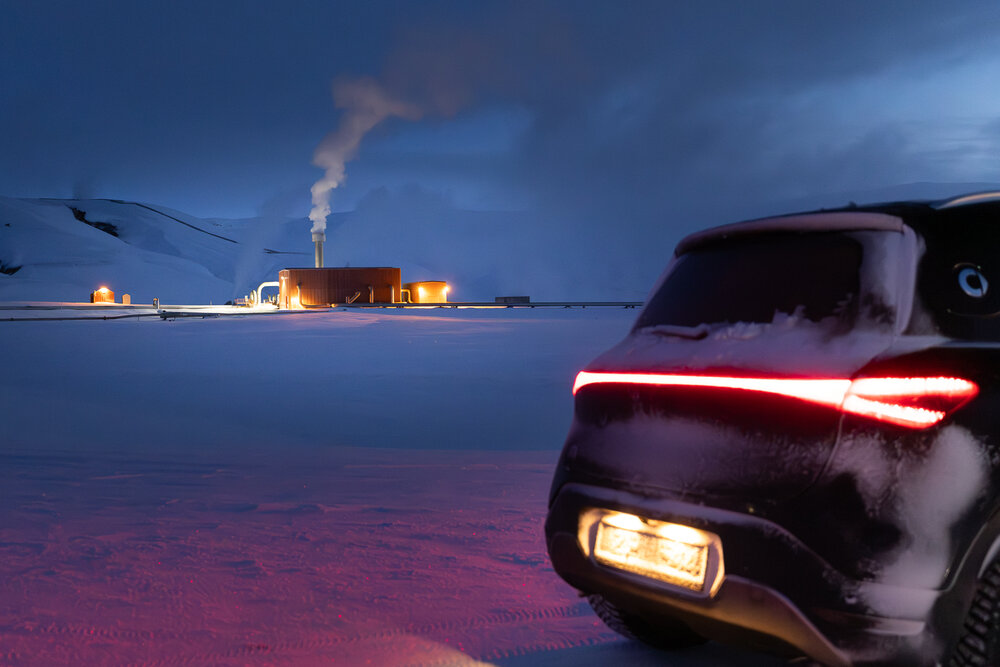
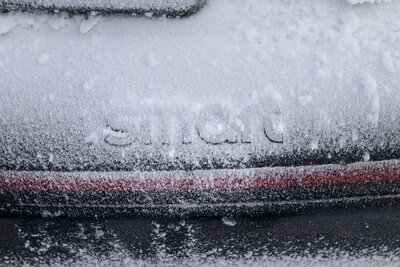
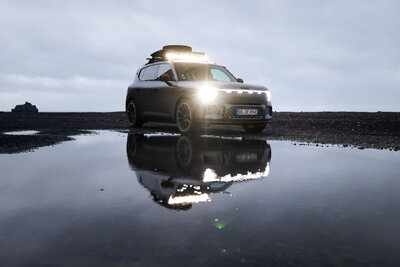
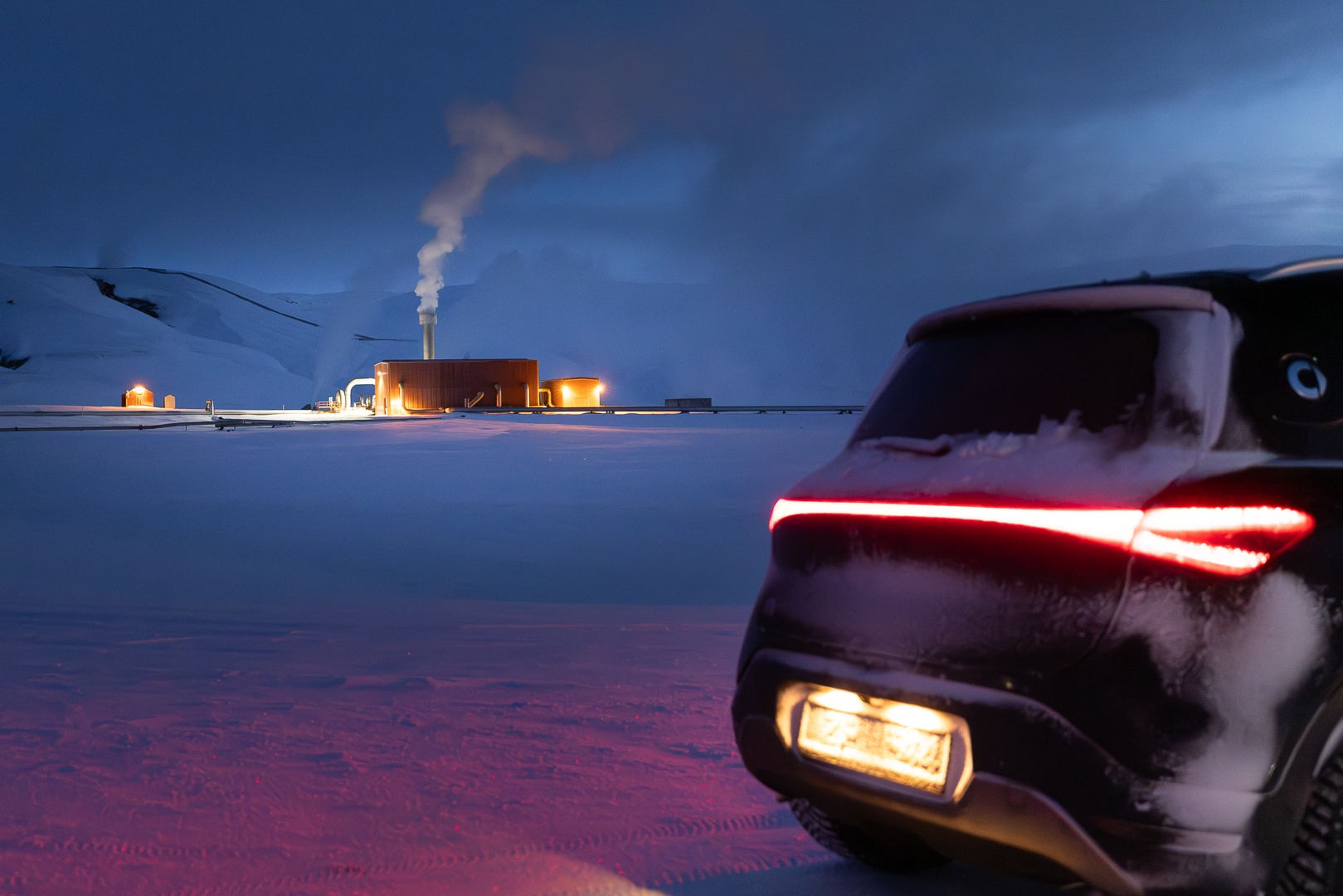
The cars were parked outside each night, where they were mercilessly exposed to the Icelandic weather, because the most revealing test happened in the morning. Could the frozen doors still be opened smoothly, after ice had settled in all the seals? Would it be possible to operate the charging lid or windows normally? Such questions determine whether customers, not only in Reykjavik, but also in Munich, trust their vehicle on a cold February morning, perhaps when they leave for work a little later than planned. Therefore, the vehicle climate control systems underwent particularly intensive evaluation. The smart’s preconditioning feature proved to be a crucial advantage: despite this endurance test, it allowed to warm up the vehicle via the Hello smart app and the intelligent thermal management ensured that interior comfort and range did not need to be weighed against each other. With electric vehicles, every kilowatt hour used for heating means less energy for the drive – a perfect balance is therefore crucial. Under real winter driving conditions, an average additional consumption of around 3-5 kWh/100 km can be expected.
jpg
Charging in the Deep Freeze
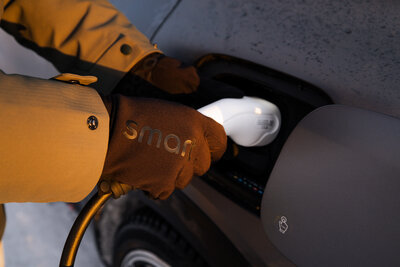
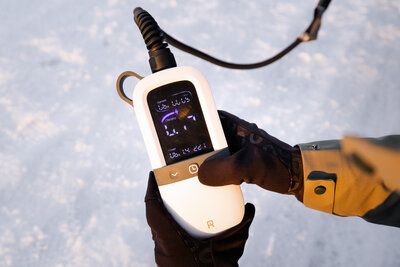
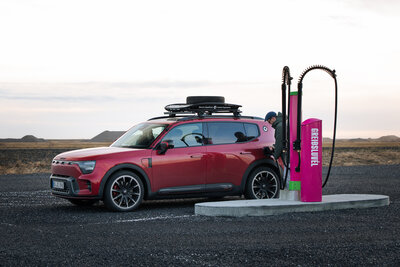
Perhaps the most critical tests involved cold-weather charging. The everyday usability of electric vehicles in northern Europe depends on resolving one key challenge: maintaining charging speed when temperatures plummet. The team tested both automatic and manual battery preheating systems, analyzing how the vehicles managed the demanding process of preparing extremely cold batteries to accept energy quickly. Since lithium-ion batteries are sensitive to the cold – chemical processes slow down, internal resistance increases and charging is delayed – smart relies on intelligent thermal management: The battery is preheated in a targeted manner and, if necessary, supplied with energy for heating before charging. The results confirmed this approach. Even in Iceland's harshest extreme conditions, the vehicles maintained their charging efficiency, precisely controlled thermal loads, and performed in a way that makes electric mobility suitable for everyday use.
jpg
Precision on Ice
The most visceral tests were performed on ice. The team ventured onto frozen lakes, icy roads and snow-covered surfaces, where traction can sometimes become a mathematical challenge. Here, the control systems – ESP, torque distribution, as well as the coordination of regenerative braking – proved their technical precision. Modern electric vehicles possess an advantage in these conditions: instant, precise control of motor torque. Unlike combustion engines, where power delivery involves mechanical complexity and reaction delays, electric motors respond within milliseconds. The fully electric smarts can modulate the drive torque on the axles hundreds of times per second by evaluating wheel slip, steering wheel angle, and other parameters relevant to driving dynamics, such as lateral acceleration and yaw rate. Based on this data, the vehicle's movement is then anticipated in order to maintain control within the limits of what is physically possible, even when the vehicle approaches the limits of driving dynamics.
Our smart vehicles not only coped with these conditions but also enabled the drivers to master them safely and in a controlled manner. This difference is hugely significant. At smart, we develop vehicles that enable very comfortable, safe and locally emission-free driving even under difficult weather conditions. Something that drivers de facto benefit from in all situations.
Dr. Tilo Schweers, Vice President R&D smart Europe
jpg
The Honest Discoveries
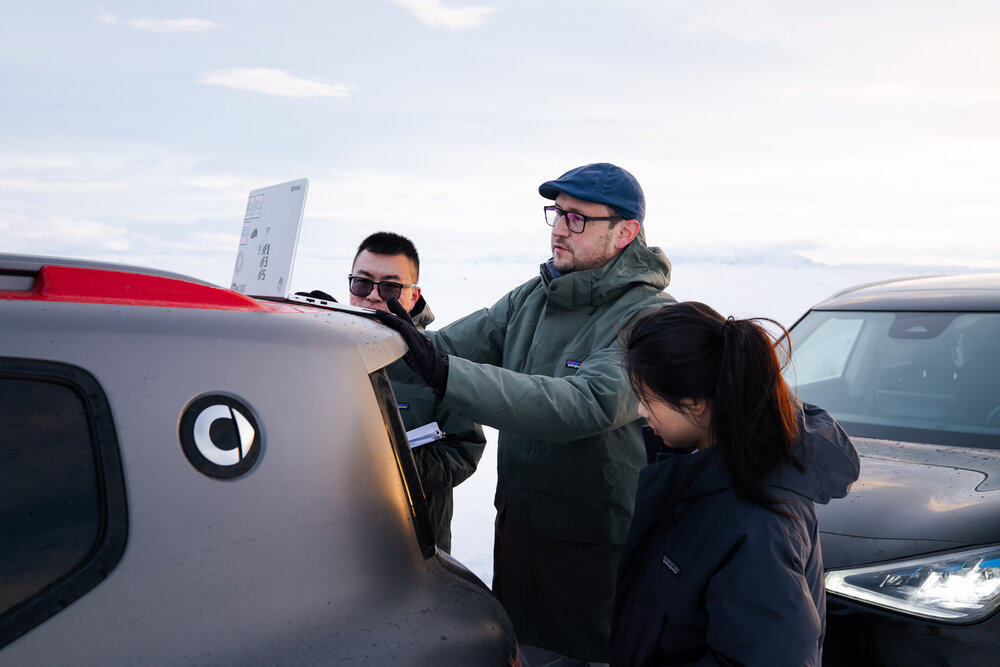
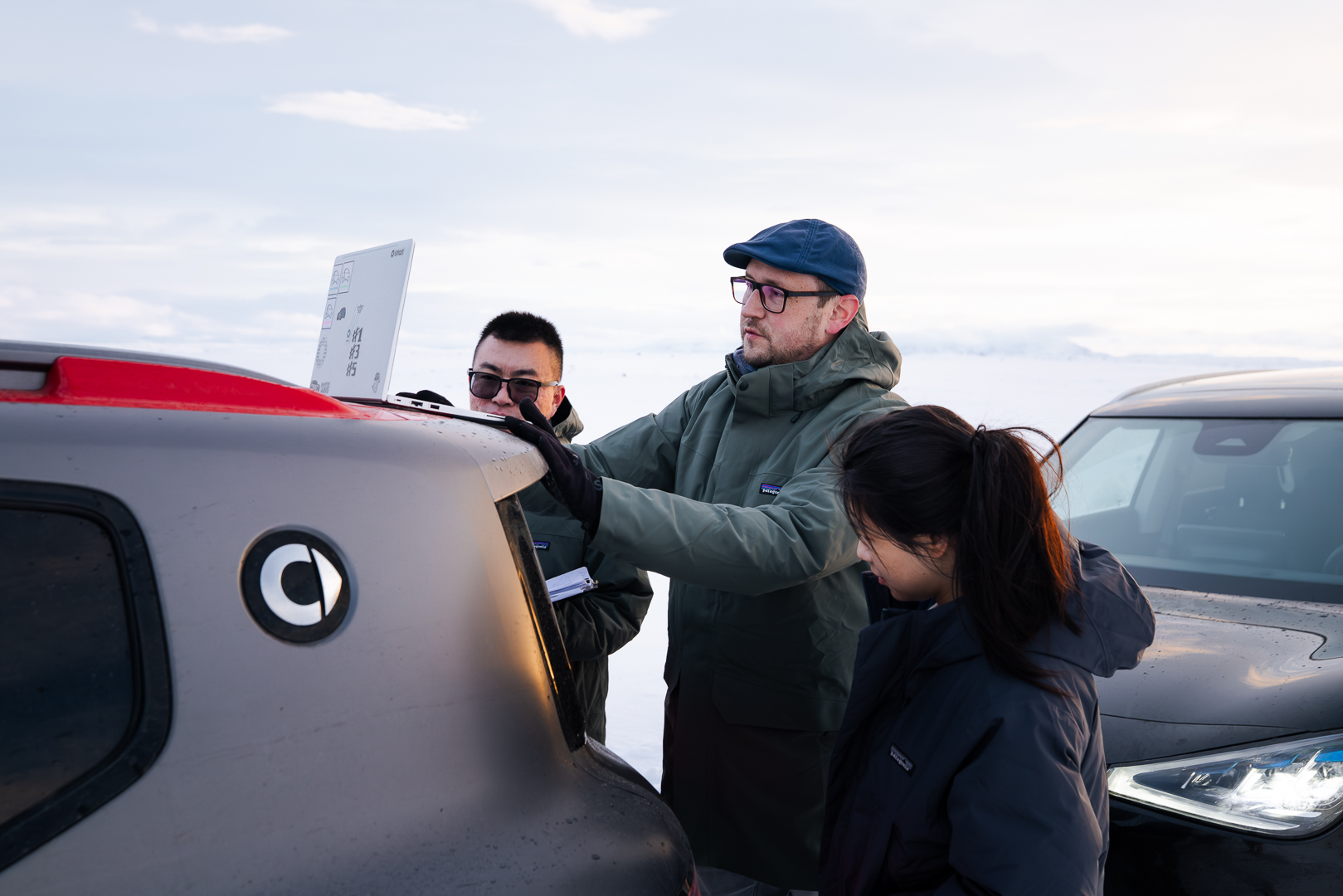
Not everything was perfect. That wasn't the point. The team identified optimization opportunities in underbody design – areas where snow accumulation could be reduced and where small changes might yield meaningful improvements. These discoveries made in Iceland's extremes, will inform refinements that shall benefit every smart customer in colder climates. The less glamorous reality of development work? Continuously looking for improvements through countless tests; finding the smallest problems before they can lead to customer frustration; examine theories with frozen fingers instead of in a temperature-controlled testing environment; Spending long days watching data streams on laptop screens, right next to lava fields instead of enjoying the beautiful natural spectacle.
Beyond the Numbers
However, all of the honest discoveries are worth it: As the team completed their final kilometers, the data storage drives held terabytes documenting every sensor reading, every system response, every moment of those twelve days. But the real takeaway wasn't quantifiable.
We proved something essential. Electric mobility isn't just for perfect conditions or mild climates. It's ready for the wintery Europe – for mountains and rural roads, where reliability is absolutely necessary. This certainly changes the general basis for discussion about electric vehicles significantly.
Dr. Tilo Schweers, Vice President R&D smart Europe
The tests in Iceland follow previous tests in the mountains of French Provence, ongoing development work near Stuttgart, and other Scandinavian winter trials as part of smart Europe's comprehensive validation process. Every journey, every test reveals different truths, because every environment demands different qualities. Customers of smart can rest assured that their vehicles have not only been tested under prescribed laboratory conditions, but also meticulously in the harsh, uncompromising reality of Iceland in December – where nature can be tougher than some standardized cold chambers.
jpg
jpg
jpg
jpg
jpg
jpg
jpg
jpg
jpg
jpg
jpg
jpg
jpg
jpg
jpg
jpg
jpg
jpg
jpg
jpg
jpg
jpg
jpg
jpg
jpg
jpg
jpg
Disclaimer
2Energy consumption combined in kWh/100 km (WLTP): 16.8 (Premium), 17.4 (Pro+/Pure+), 18.1 (Pro/Pure), 18.2 (BRABUS/Pulse); CO₂ emissions combined (while the car is in operation) in g/km (WLTP): 0; CO₂ class: A; electric range (WLTP) in km: 400 (BRABUS/Pulse), 440 (Premium), 420 (Pro+/Pure+), 310 (Pro/Pure).
3Professional driver. Please avoid dangerous traffic situations and observe the applicable laws and regulations.
1Energy consumption combined in kWh/100 km (WLTP): 18.4(Pro+ /Premium), 18.5 (Pro), 19.9 (BRABUS/Pulse/Summit Edition); CO₂ emissions combined (while the car is in operation) in g/km (WLTP): 0; CO₂ class: A; electric range (WLTP) in km: 590(Pro+/Premium), 465 (Pro), 540(BRABUS/Pulse/Summit Edition)
4All smart driver assistance and safety systems are aids and do not release the user from his responsibility as a driver. Observe the information in the operating instructions and the system limits described there.