smart Unveils Interior Design Concept and ECA Platform Details for the Upcoming smart #2
jpg
Interior of the smart Concept #2 features a bench seat, exceptional space efficiency and a new level of premium quality in an ultra-compact format
Newly developed ECA platform will provide high level of agility, safety and everyday capability in the upcoming smart #2
With the smart Concept #2, smart presents the design and technical direction of a purpose-built two-seater that feels at home in European city life
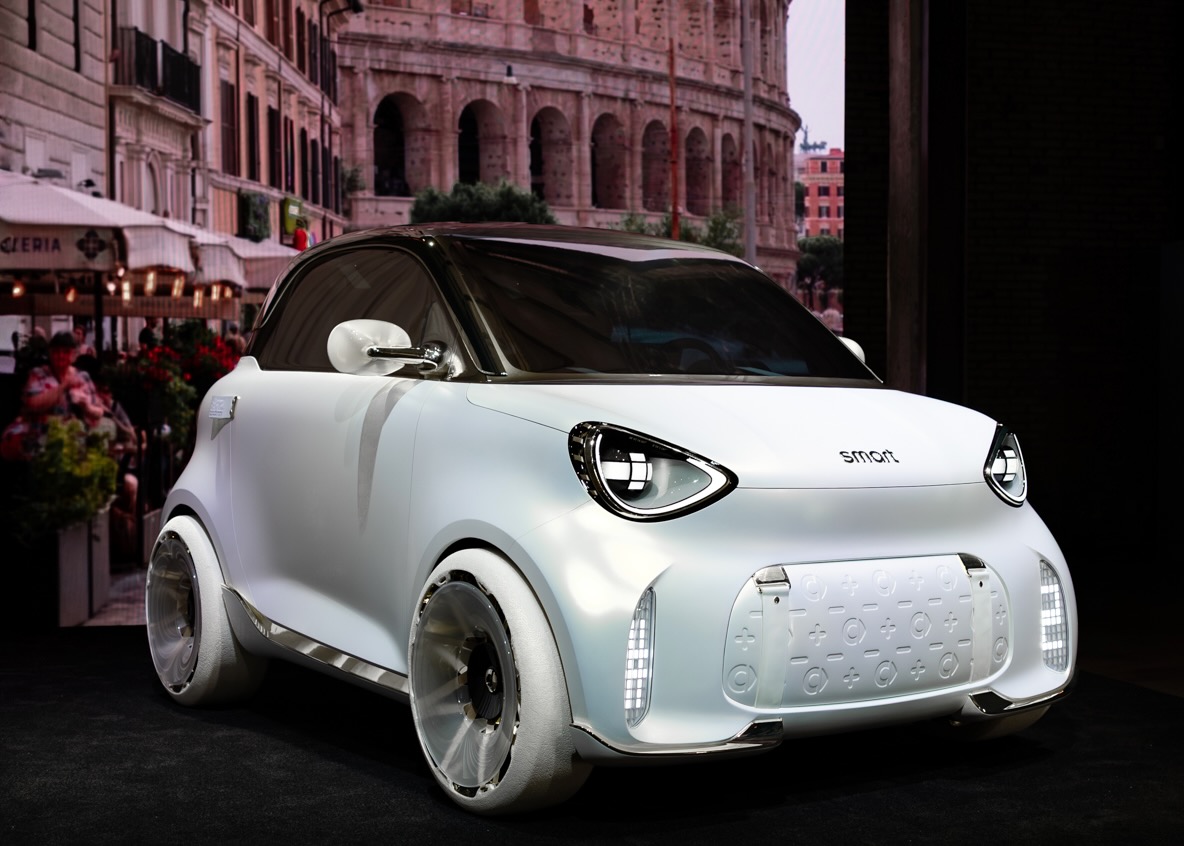
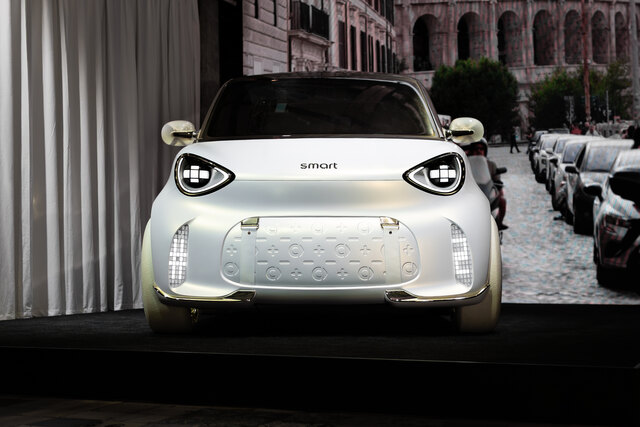
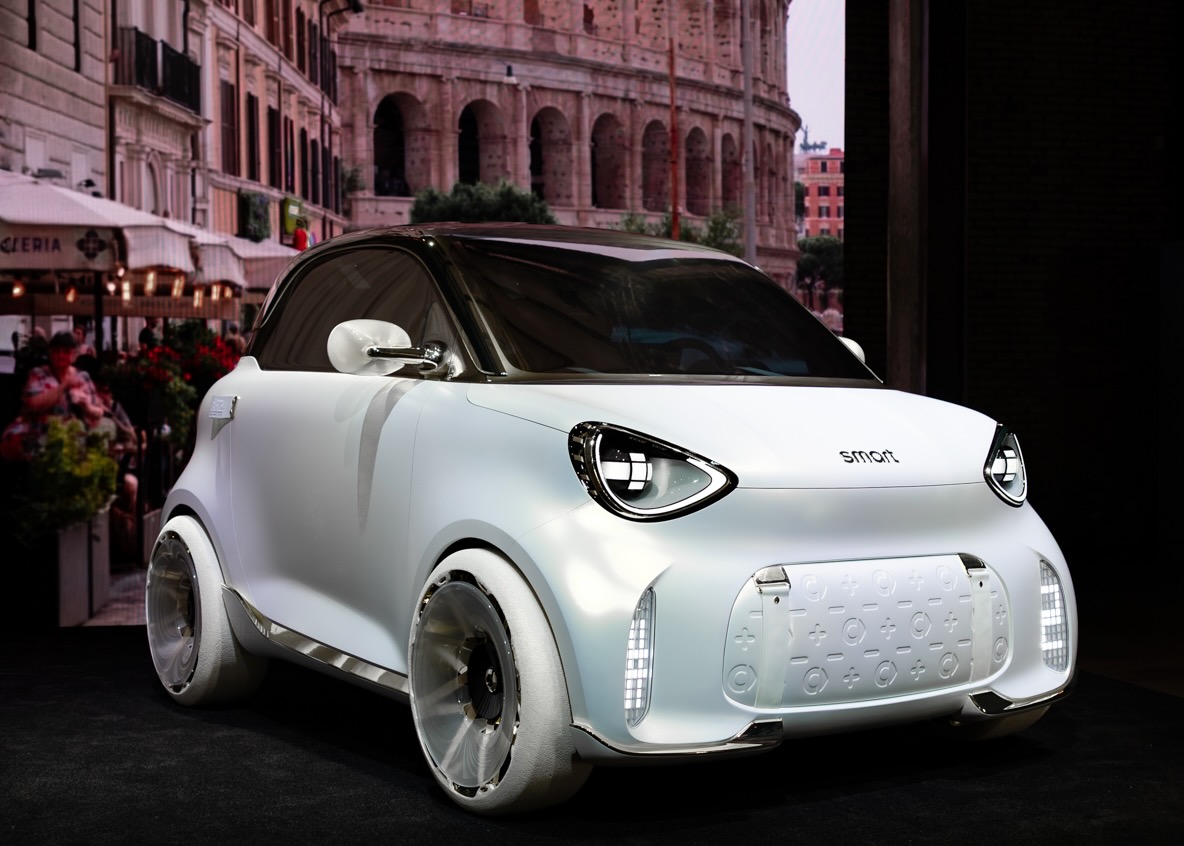
22 June, 2026, Leinfelden-Echterdingen. smart has presented the smart Concept #21 at an exclusive event in Rome for the first time in Europe, offering new perspectives on the interior design philosophy and creation process as well as technical details on the ECA platform of the upcoming smart #2. Rome's narrow streets provide the perfect backdrop as they represent the urban environment a smart two-seater is engineered for. The smart Concept #2 arrives as a vehicle that belongs here as much as the smart fortwo – since still more than two million smart vehicles of previous generations are still in use in European cities and beyond.
jpg
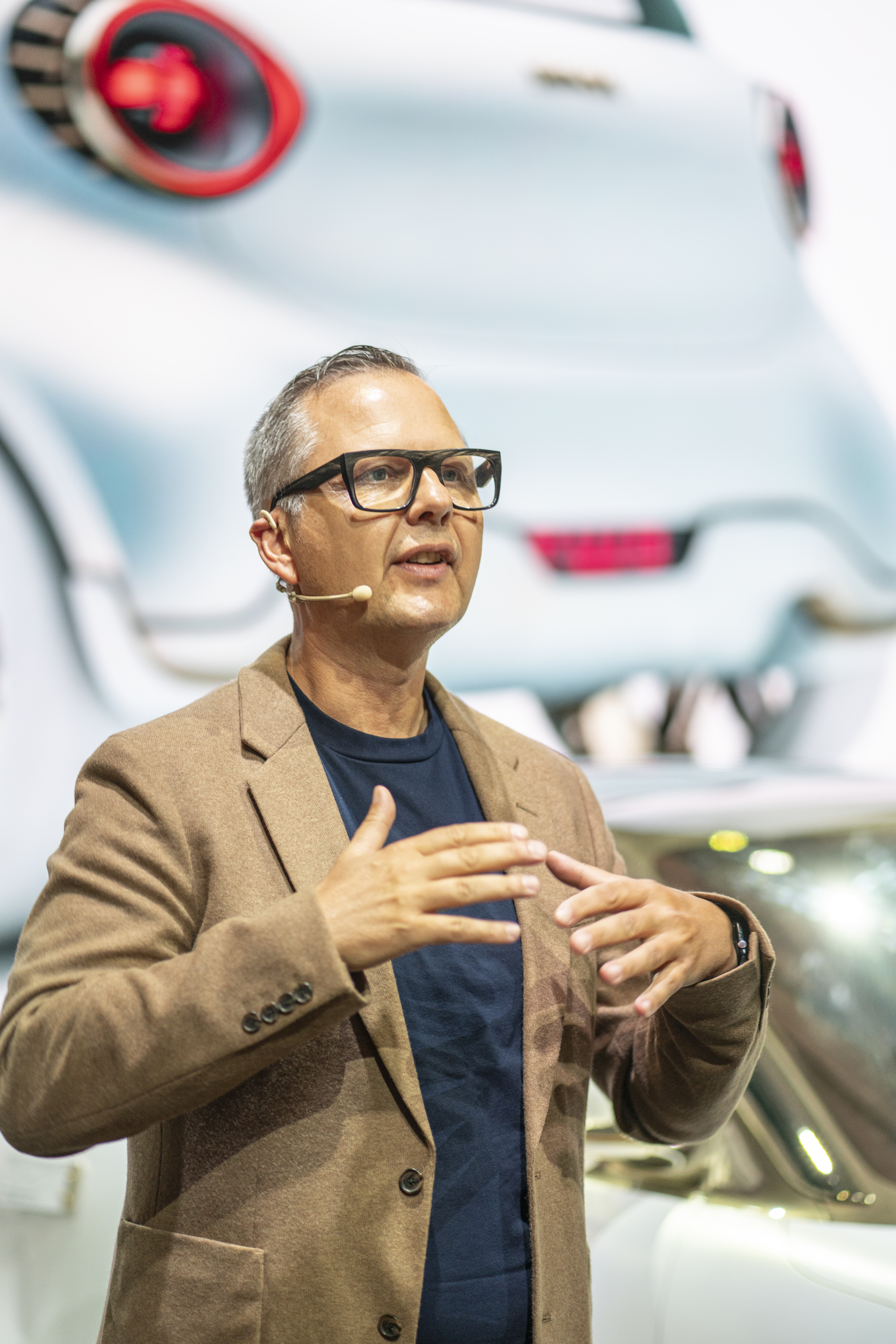
European cities have always been the natural home of the smart two-seater. Long before mobility became a challenge in urban areas worldwide, smart had already created solutions around the realities of city life. In Rome, we are writing the next chapter in the reinvention of this iconic vehicle concept, ahead of the world premiere in Paris later this year. The interior design concept and the ECA platform demonstrate the thinking behind the upcoming smart #2. Urban mobility does not need to be more complicated. It needs to be more intelligent, more desirable and better aligned with how people actually live and move through cities.
Wolfgang Ufer, CEO smart Europe
European Debut of the smart Concept #2
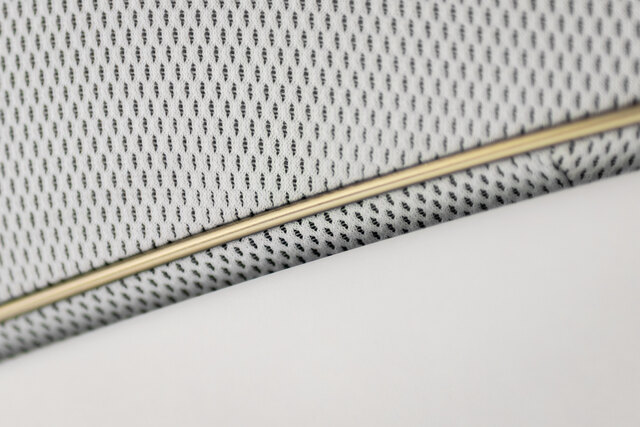
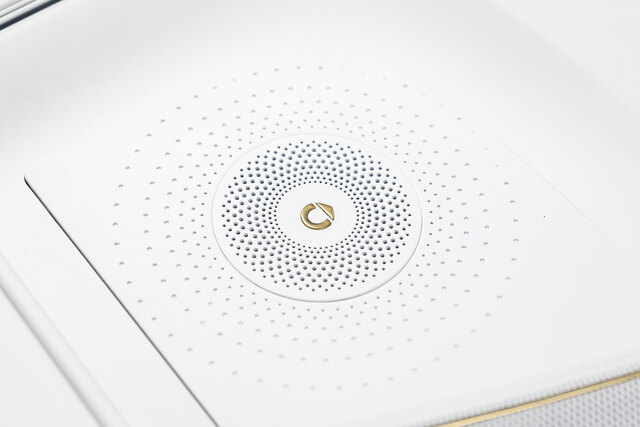
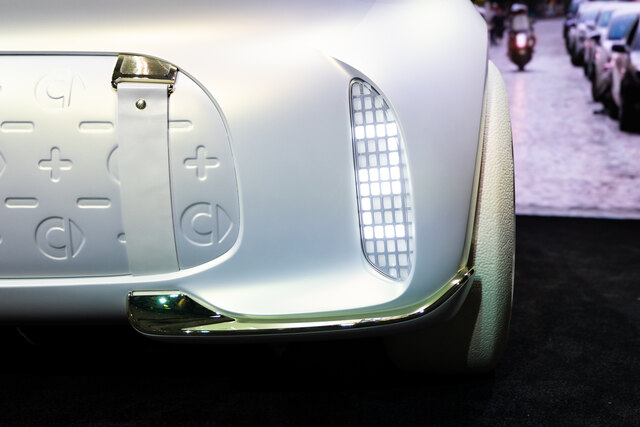
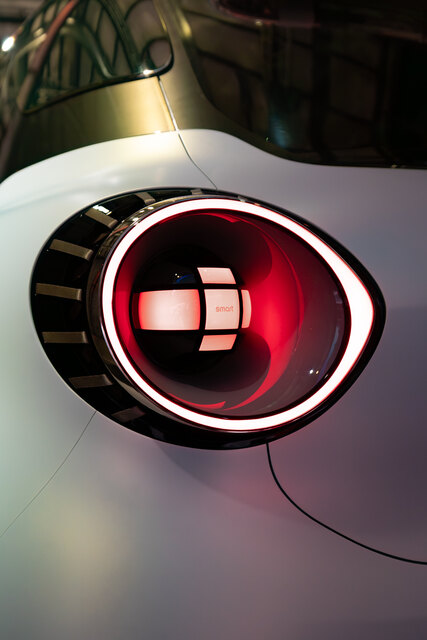
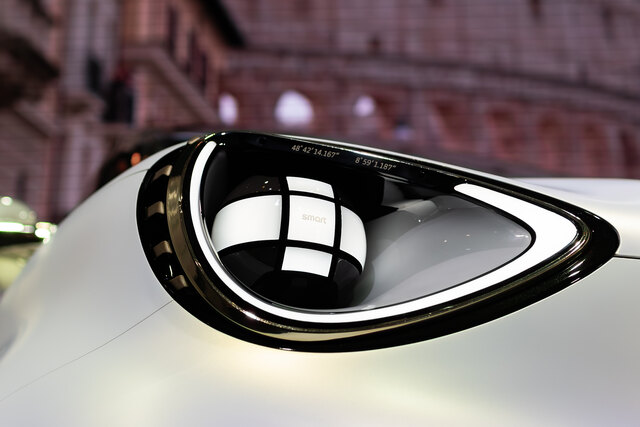
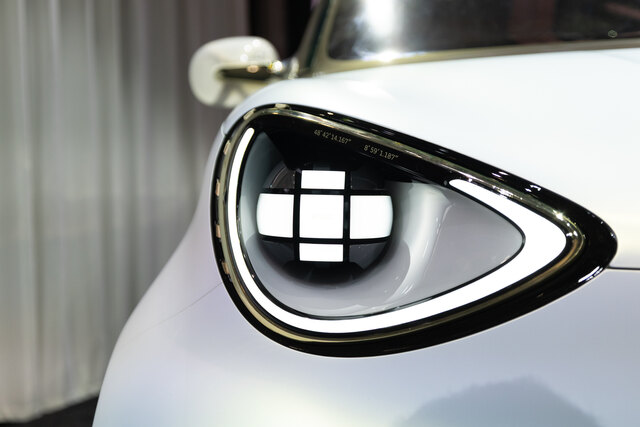
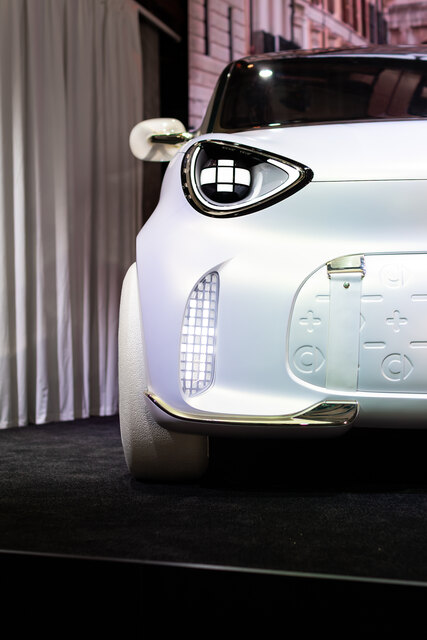
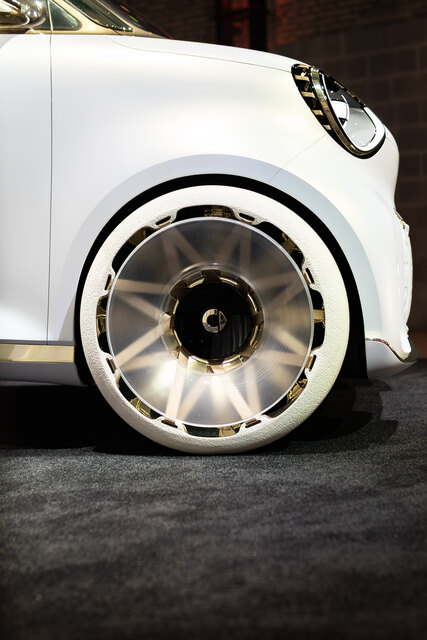
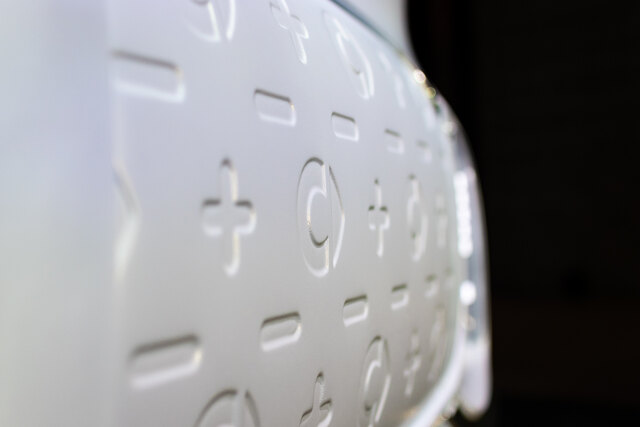
The smart Concept #2 brings the design direction of the upcoming smart #2 to life. Its proportions, two-tone colour concept, frameless doors and precisely resolved surface details all reflect one guiding principle: Function becomes Fashion. Functional decisions become design identity. The car's character comes from what it does well, not from decoration applied on top.
jpeg
smart #2 Interior Concept: A New Perspective on Space, Connection and Quality
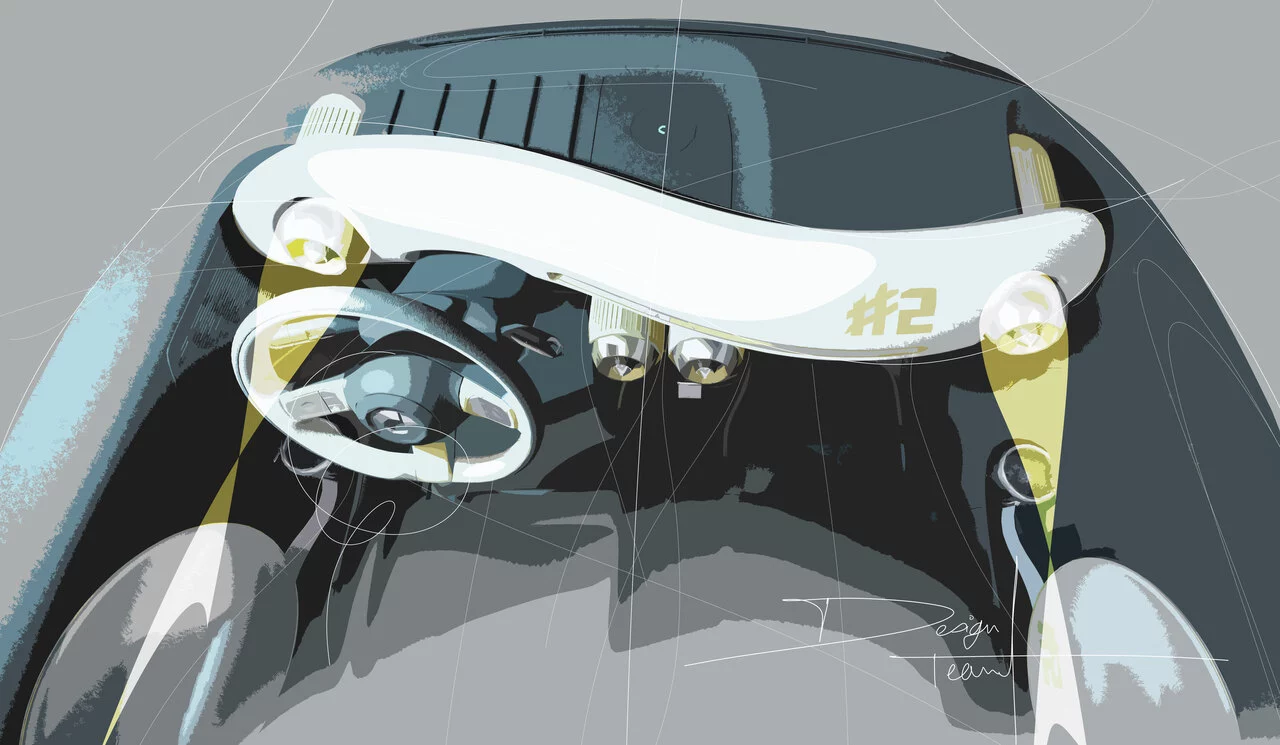
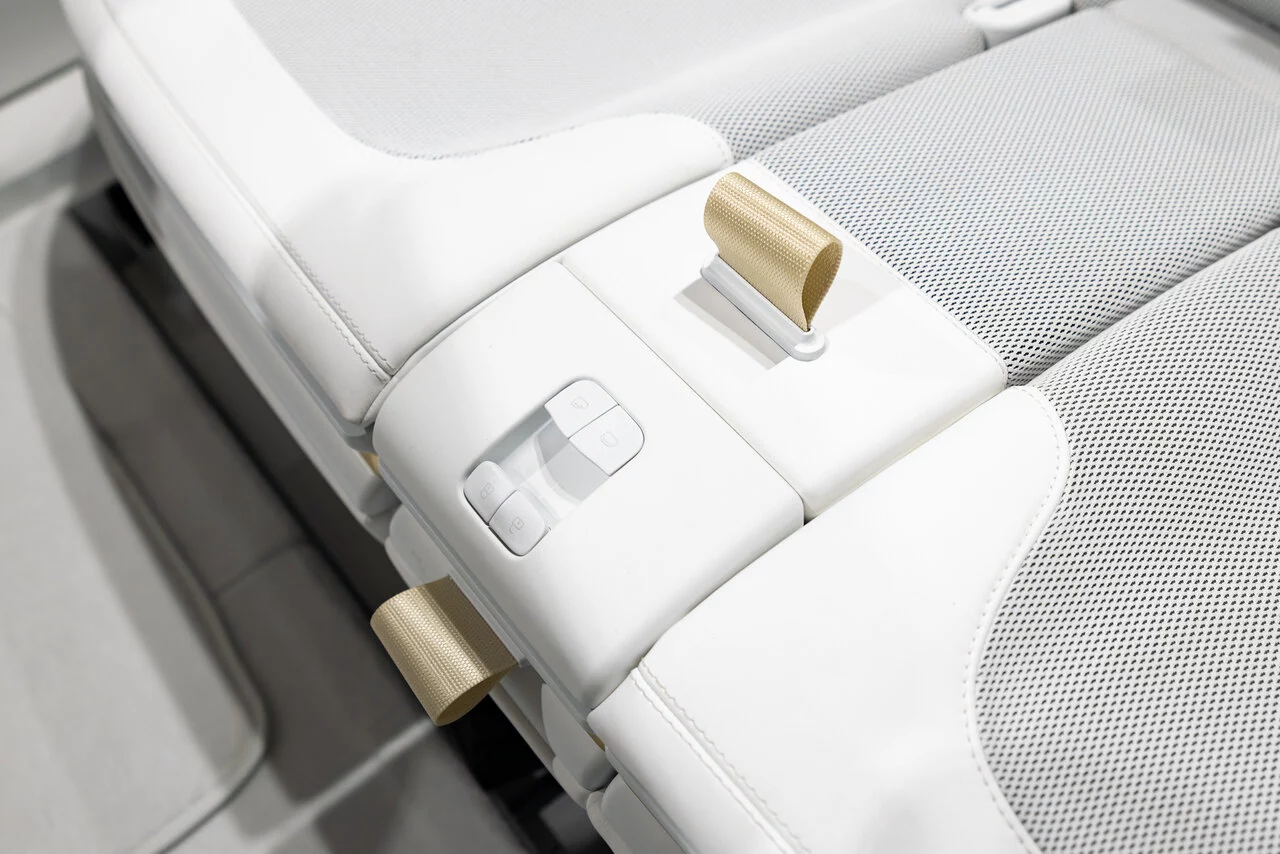
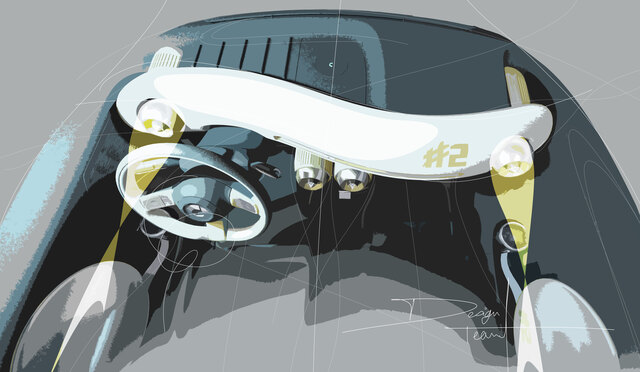
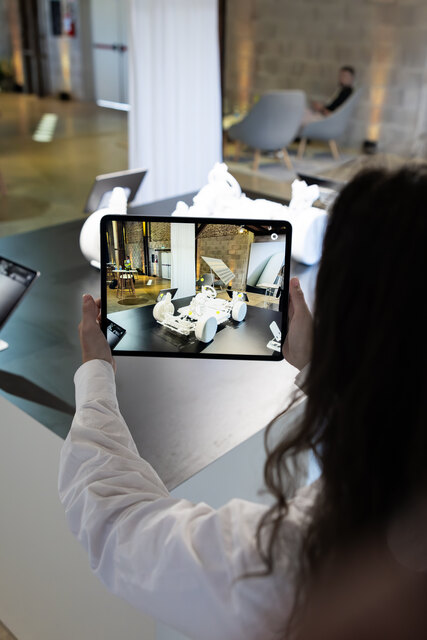
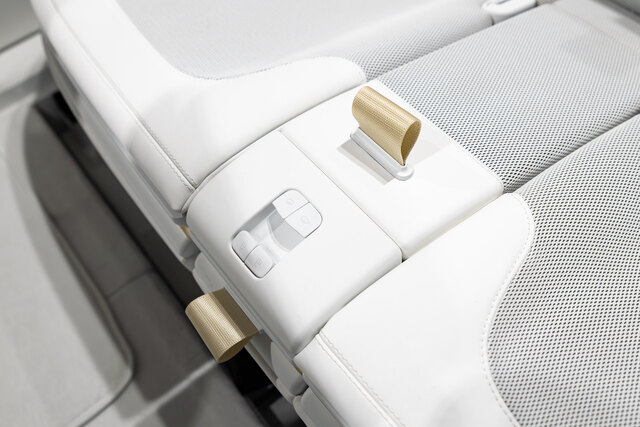
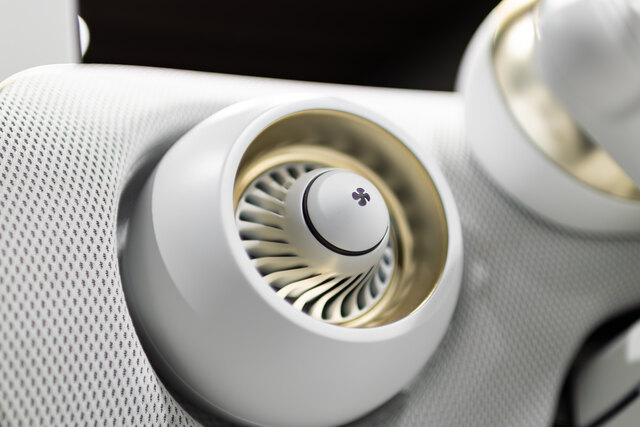
Central elements of the interior concept of the upcoming smart #2 include a continuous bench seat, a cockpit design with an S-shape principle as well as a consequently efficient us of space. The focus is on an open, clearly structured cabin that creates generous roominess and an elevated feel from compact exterior dimensions.
The interior follows the idea that urban mobility must not only be efficient, but also pleasant, accessible and thoughfully crafted in every detail. The continuous bench seat is therefore more than a design element: it dissolves the conventional divide between driver and passenger and creates a sense of shared space and practicability - generous, open and inviting, even within an ultra-compact footprint.
The open cabin architecture concept creates a deliberately reduced yet inviting atmosphere. The S-shaped cockpit is designed for intuitive operation, clear orientation and maximum space efficiency. Together, these elements underline how intelligent design solutions transform compactness from constraint into quality—where every decision serves both function and form.
jpg
Electric Compact Architecture: The Technical Foundation of the smart #2
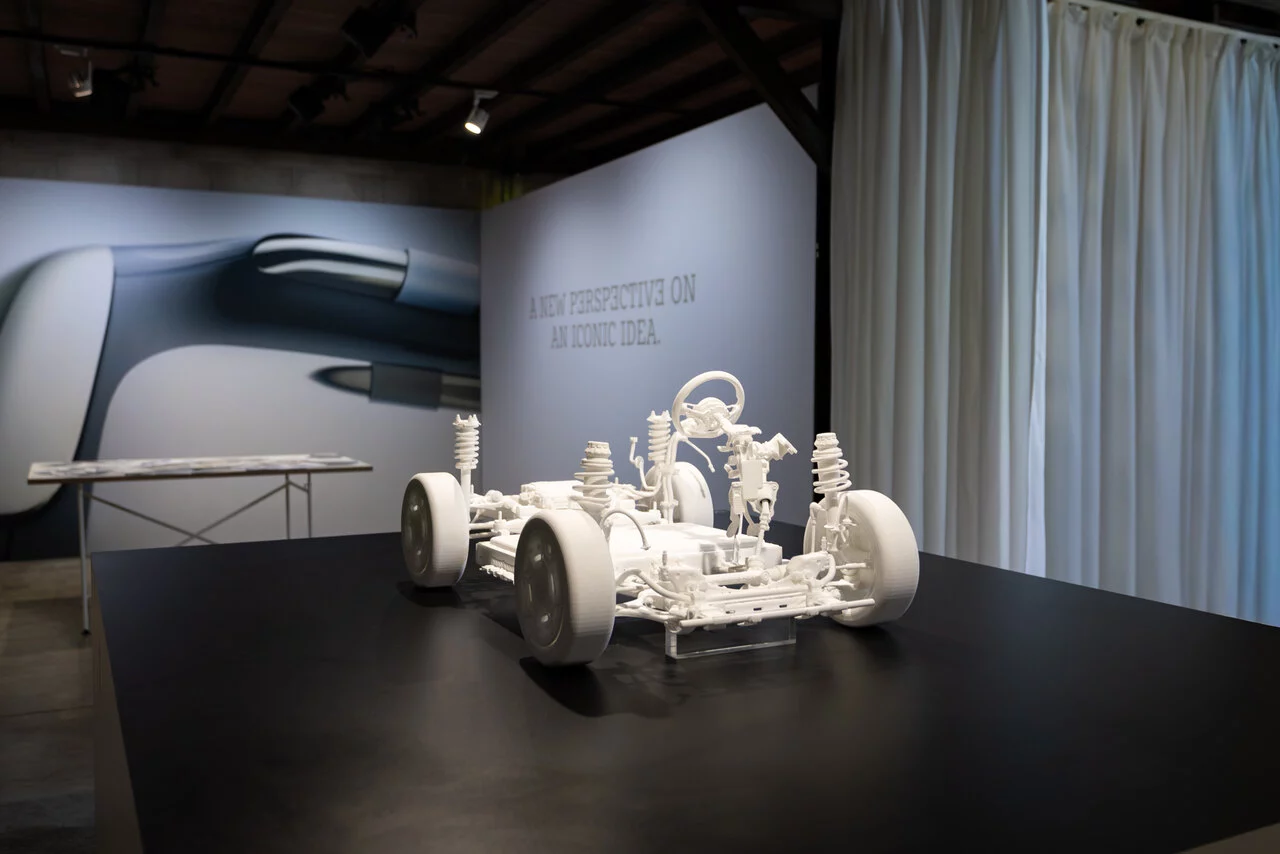
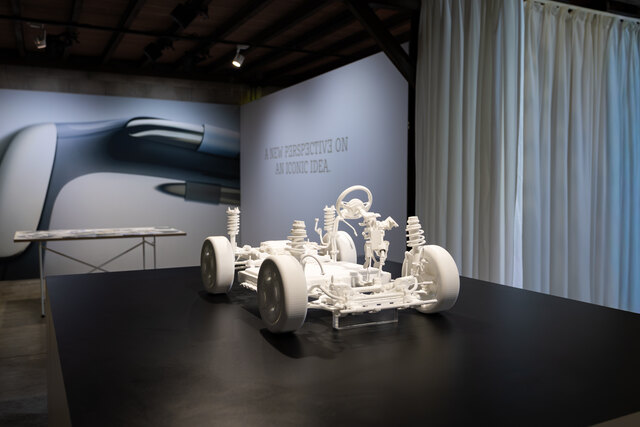
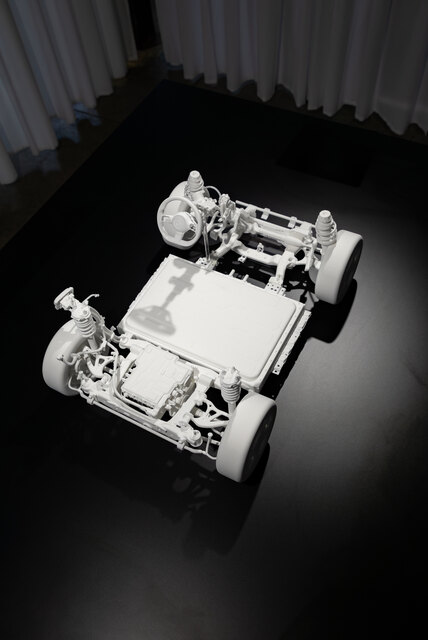
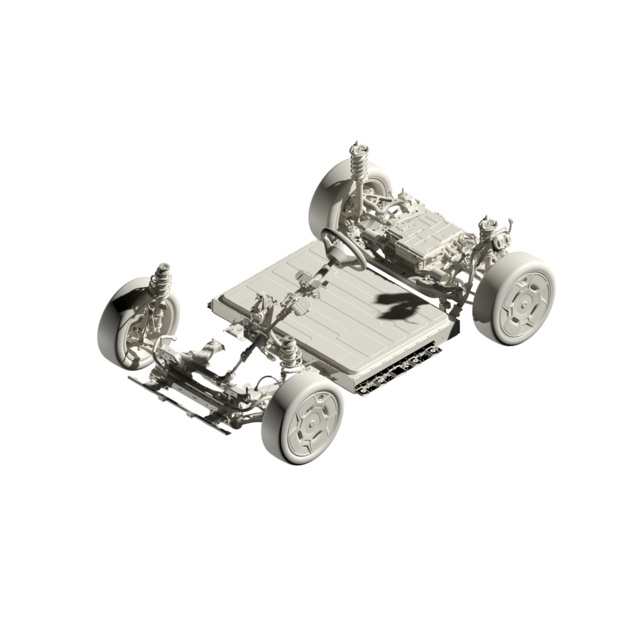
Engineers and product experts from smart presented more technical details of its scalable ECA (Electric Compact Architecture) platform for the first time. Developed by the international smart engineering departments specifically for an ultra-compact all-electric vehicle, the platform forms the technical foundation for the upcoming smart #2 and demonstrates how intelligent use of space, urban agility, safety and electric everyday usability can be brought together in a vehicle of this size.
In the smart #2, the ECA platform will enable a turning circle of 6.95 metres curb to curb - which equals the agility of the last-generation smart two-seater. This addresses one of the key challenges of urban mobility: maximum maneuverability in confined spaces. At the same time, the architecture is designed to make consistent use of the available interior space. Short overhangs, compact technical packaging and a clear focus on the all-electric drivetrain create the foundation for the open interior concept.
jpg
The ECA platform is engineered in a way that underlines the ambition of the upcoming smart #2 as a fully capable electric vehicle with a battery of 35.7 kWh (target value)2, a target range of around 300 kilometres3 according to WLTP (not yet certified) and DC fast charging from 10 to 80 percent in under 20 minutes4. The platform is therefore not conceived as a purely urban solution, but as the technical basis for a compact vehicle that combines urban mobility with the flexibility modern driver’s demand.
Safety in a Compact Format: The Next Generation of the Tridion Cell
Another core area of the ECA platform is the safety architecture of the upcoming smart #2. With the principles of the known tridion cell, smart is further developing a central element of its safety philosophy and transferring it to the next generation of its ultra-compact all-electric two-seater. The aim is to combine compact exterior dimensions with a robust structure and modern safety requirements. The new version of the tridion cell represents the ambition of the brand to make safety the core priority independent of vehicle size. The upcoming smart #2 will show that a compact vehicle can do more than save space: it can also provide protection, stability and confidence.
More images and videos can be found in the Media Library:
1Concept vehicle that is not offered for sale. These are not final WLTP values,but only estimates.
2/3/4 These are preliminary details. The vehicle is currently undergoing the EU homologation process. These details are subject to final homologation. Changes are therefore possible. Once the EU homologation process is complete, smart will publish the official figures through the usual channels. The vehicle shown may include optional equipment that is not available in all markets or for all model lines, and/or is available only at an extra cost.
At the world premiere of the all-new smart #2 in Paris, smart Europe already initiated an early ordering option, based on the high interest in the new vehicle. The all-electric two-seater will be ...
smart and Sennheiser are elevating the sound experience in the compact car segment with the upcoming smart #2, marking the next chapter of their successful partnership.
As the iconic city two-seater is officially coming back, smart is utilising an unconventional street mural format to offer the first glimpse of its signature design.